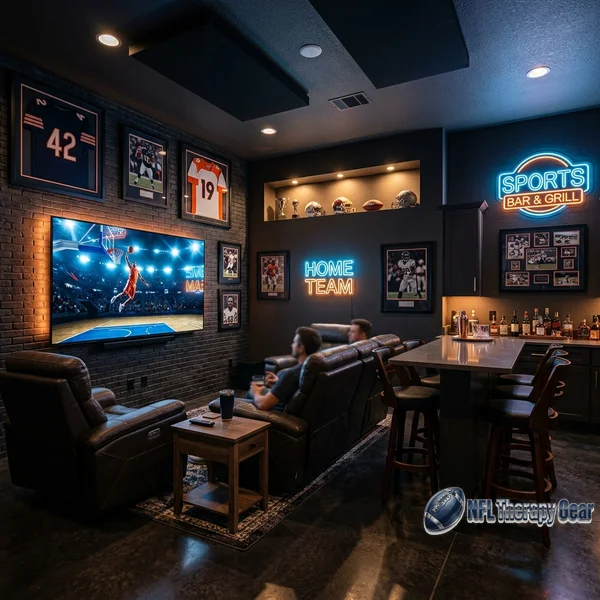
The man cave — a dedicated room or space designed specifically for relaxation, entertainment, and the unapologetic display of personal interests — represents the ultimate expression of NFL fandom within the home. Unlike shared living areas where team decor must coexist with general household aesthetics and the preferences of other occupants, the man cave exists purely for the fan. Every surface, every piece of furniture, every decorative element can serve the singular purpose of creating the ideal environment for watching, celebrating, and living football.
Designing an effective NFL man cave involves integrating multiple functional elements — seating, entertainment technology, beverage service, memorabilia display, and atmospheric design — into a cohesive space that feels both exciting and comfortable. The best man caves achieve a balance between stadium-like energy and living-room comfort, creating environments that enhance the game-watching experience while remaining inviting spaces for the extended hours between games.
Room Selection and Layout
The foundation of any man cave is the space itself. Basements, spare bedrooms, converted garages, attic rooms, and outbuildings all serve as man cave locations, each presenting different advantages and constraints. Basements offer natural sound isolation that protects other household occupants from game-day volume while providing cool, stable temperatures that complement the warmth generated by electronic equipment and multiple occupants.
Layout planning should prioritize sightlines to the primary entertainment display. Every seating position must provide a comfortable, unobstructed view of the television or projection screen. Arranging seating in a shallow arc facing the screen — rather than in the parallel rows of a traditional theater — creates better viewing angles for all positions while promoting the social interaction between viewers that makes communal game watching enjoyable.
Traffic flow — how people move through the space to reach seats, the bar area, restrooms, and exits — should not cross the primary viewing zone. Positioning entry points, bar areas, and restroom access at the rear or sides of the room prevents the disruptive silhouette crossing that occurs when guests walk between seated viewers and the screen during critical game moments.
Entertainment Systems
The television or projection system is the man cave’s centerpiece — the element around which everything else is designed. Screen size should correspond to viewing distance; the general guideline suggests the viewing distance should be approximately one-and-a-half to two-and-a-half times the screen’s diagonal measurement. A seventy-five-inch screen viewed from ten feet provides an immersive experience without the visual strain that occurs when oversized screens are viewed from insufficient distance.
Sound systems elevate the game-watching experience from visual observation to multisensory immersion. A quality surround-sound system reproduces the stadium atmosphere — crowd noise surrounding the viewer from all directions, commentary clear and centered, impact sounds of collisions and catches arriving with directional accuracy. Soundbar systems provide simplified surround-sound approximation for spaces where full speaker installation is impractical, while dedicated multi-speaker systems provide the most authentic atmospheric reproduction.
Multiple-screen setups allow simultaneous viewing of multiple games — a capability particularly valuable during early-season Sundays when multiple games air concurrently. A primary large screen displaying the main game of interest, flanked by smaller secondary screens showing other games or statistical displays, creates a comprehensive information environment that replicates the multi-screen experience of sports bars within the private man cave setting.
Seating Solutions
Seating selection balances comfort for multi-hour game viewing with the durability required for an environment where food, beverages, and enthusiastic physical reactions are routine. Leather and faux-leather recliners provide the durability advantage — their non-porous surfaces resist stain absorption and clean easily after spills — while delivering the comfort that extended seated viewing demands.
Stadium-style seating — tiered rows of seats at different elevations — provides clear sightlines for multiple viewers in a compact space. Elevated rear rows see over front-row heads without the craned-neck viewing that flat-floor multi-row seating creates. Building even a single-step platform for a second row of seating dramatically improves the viewing experience for guests positioned behind the front row.
Team-branded seating — recliners, bean bags, or folding chairs in team colors with logo embroidery — adds identity to the functional seating. These branded options display team allegiance from the most-used element in the room, ensuring that team identity is present at every viewing moment rather than confined to wall decorations and accessories visible only during room entry and movement.
Bar and Beverage Area
A dedicated beverage area — whether a full bar installation with running water, refrigeration, and counter space, or a simpler setup with a mini-fridge, countertop, and storage — provides game-day refreshment service without requiring trips to the main kitchen. This self-contained beverage capability keeps guests in the man cave during games, preventing the interruptions and missed plays that kitchen trips inevitably cause.
Bar construction ranges from custom-built permanent installations to portable bar carts and countertop setups. A permanent bar with team-colored countertop, team-logo bar rail, and team-themed bar stools creates the most impressive setup but requires significant construction investment. A simpler approach — a quality bar cart beside a team-branded mini-fridge, with team-themed drinkware displayed on wall-mounted shelving — achieves functional beverage service with minimal construction commitment.
Drinkware and bar accessories in team themes — pint glasses, shot glasses, bottle openers, coasters, napkins, and ice buckets — bring team identity to every beverage interaction. These small items collectively create the impression that the bar area was designed with the same intentionality as the room’s larger decorative elements, completing the immersive environment that a well-designed man cave should provide.
Memorabilia Display
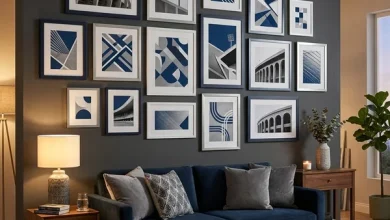
The man cave provides the ideal environment for displaying memorabilia that might feel excessive or inappropriate in shared living spaces. Shadow boxes for signed items, illuminated display cases for collectibles, wall-mounted jersey frames, and glass-front cabinets for detailed pieces create museum-quality presentation within the fan’s personal space. Proper display — with appropriate lighting, protective enclosures, and thoughtful arrangement — elevates memorabilia from clutter to curated collection.
Display lighting transforms memorabilia presentation from passive decoration to active focal points. LED strip lights inside display cases, adjustable spotlight fixtures aimed at wall-mounted pieces, and backlit display shelving illuminate individual items with gallery-quality attention. These lighting elements can be connected to smart-home systems that allow game-day lighting presets — dimming general room lighting while illuminating displays and screen areas — creating an atmospheric environment that shifts between viewing mode and general-use mode.
Atmospheric Design Elements
Wall treatments set the man cave’s foundational aesthetic. Team-color paint on accent walls, team-themed wallpaper on feature surfaces, or textured treatments (brick veneer, wood paneling, padded panels) create backdrop environments that frame the room’s decorative and functional elements. Dark colors — team navy, deep team green, team burgundy — create intimate, theater-like atmospheres that complement screen viewing, while lighter team colors maintain a more casual, open feeling suitable for multi-use spaces.
Neon signs, LED marquee displays, and illuminated team graphics add dynamic lighting elements that contribute to the sports-bar atmosphere many man caves aspire to create. These illuminated accents provide ambient light that supplements the room’s primary lighting while adding visual energy and personality that static decorations cannot achieve.
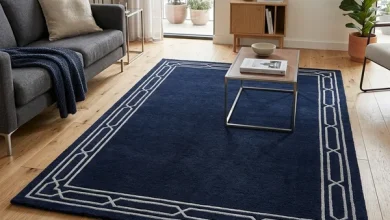
Flooring choices for man caves prioritize durability and spill resistance. Epoxy-coated concrete (ideal for basements and garages), luxury vinyl plank, and commercial-grade carpet tiles provide surfaces that handle dropped food, spilled beverages, and heavy foot traffic without showing damage. Team-logo area rugs placed in gathering areas add team identity to the floor surface while providing comfortable standing and walking surfaces over hard flooring.
Game-Day Hosting Essentials
The man cave’s hosting function requires practical infrastructure beyond entertainment and decoration. Adequate seating for expected guest counts, sufficient table surfaces for food and beverages, accessible waste management (team-branded trash cans positioned conveniently), and easy-access restroom proximity ensure that game-day gatherings flow smoothly without logistical frustrations that detract from the viewing experience.
Food service infrastructure — a warming tray or slow cooker station, paper goods and utensils storage, and counter space for buffet-style food display — supports the sustained eating that accompanies multi-hour game-day gatherings. Team-themed serving accessories (team-logo serving trays, team-colored disposable plates and cups, team-branded napkins) extend the immersive environment to every aspect of the gathering experience.
Climate control ensures comfort for groups spending extended hours in an enclosed space. Basements tend toward cool temperatures that may require supplemental heating during winter game viewing, while garage conversions and upper-floor spaces may require cooling solutions for warm-weather early-season games. Portable fans, space heaters, or dedicated HVAC connections provide the temperature management that keeps guests comfortable throughout complete game-day experiences lasting four to six hours or more.
Budget Planning and Phased Building
Man cave construction rarely happens all at once. A phased approach — starting with the essential entertainment system and comfortable seating, then progressively adding bar infrastructure, memorabilia displays, atmospheric elements, and finishing details over months or years — allows the space to develop according to budget availability rather than requiring a massive upfront investment. This phased building approach also allows the fan to adjust the design as experience with the space reveals which elements add the most value to their specific use patterns.
Prioritizing the elements that provide the greatest functional impact per dollar guides budget allocation. The entertainment system and primary seating deliver the core man cave experience; investing quality here while using budget solutions for secondary elements (folding chairs for overflow seating, a simple cooler instead of a built-in bar) creates a functional space immediately, with upgrades following as budget permits.
Salvage and repurposed materials offer budget-friendly alternatives for decorative and structural elements. Reclaimed barn wood for accent walls, vintage sports-bar fixtures found at architectural salvage, and repurposed commercial furniture from restaurant supply outlets provide character and functionality at prices below retail custom construction. These salvaged elements often carry more visual character than new materials, adding the lived-in authenticity that many man cave designs aspire to achieve.
DIY Projects for the Man Cave
Do-it-yourself projects provide personalized man cave elements at costs significantly below commercial alternatives. Custom-built bar countertops using concrete, butcher block, or epoxy-resin techniques create unique surfaces that no commercial manufacturer offers. Team-logo inlays created with router work, laser cutting, or epoxy casting add permanent team identity to built-in furniture that becomes part of the room’s permanent architecture.
Wall-mounted display projects — shadow boxes built to specific memorabilia dimensions, LED-backlit display shelving from standard lumber, magnetic bottle cap collection boards — provide custom display solutions sized exactly to the fan’s collection. These DIY displays often showcase memorabilia more effectively than generic commercial display cases because they are designed specifically for the items they contain rather than adapted from general-purpose fixtures.
Smart Home Integration
Smart home technology enhances the man cave experience through automated environmental control. Programmable lighting scenes that shift between bright general illumination for socializing and dimmed game-viewing mode at the touch of a button — or through voice command — eliminate the manual adjustment that interrupts viewing. Integration with smart speakers allows voice-controlled audio adjustments, score updates from other games, and music selection during halftime and commercial breaks without requiring manual device interaction.
Automated routine programming creates seamless game-day transitions. A single command can dim lights, adjust the thermostat, power on the entertainment system, switch to the correct broadcast channel, and activate ambient lighting — transforming the room from general-use mode to game-viewing mode in seconds. These automated routines add convenience that feels genuinely futuristic and demonstrates the technological sophistication that distinguishes premium man caves from simple TV rooms.
Gaming and Recreation Area
Many man caves incorporate secondary recreation options beyond television viewing — pool tables, dart boards, poker tables, and video gaming stations provide entertainment during halftime, commercial breaks, and non-game social gatherings. Positioning these activities in zones that do not obstruct the primary viewing area allows simultaneous use during games — guests can play darts or shoot pool during commercials without disrupting viewers still watching the screen.
Team-themed gaming accessories — team-logo pool table felt, team-colored dart boards, team-branded playing cards and poker chips — extend the immersive team environment to recreational activities. These themed accessories transform generic gaming equipment into coordinated elements of the overall man cave design, maintaining visual consistency across all the room’s functional zones.
Sound Management
Sound isolation prevents man cave noise from disturbing other household occupants and neighbors — a consideration that directly affects how enthusiastically the fan and guests can react during games. Dense insulation in shared walls, solid-core doors replacing hollow-core originals, and acoustic seal weatherstripping around door perimeters significantly reduce sound transmission from the man cave to adjacent spaces.
Acoustic treatment within the man cave improves sound quality by controlling echo and reverb that hard surfaces create. Acoustic panels — available in team colors to maintain the room’s aesthetic — absorb reflected sound that would otherwise muddy dialogue clarity and create the hollow resonance that characterizes untreated rooms. Strategic placement on walls opposite the speaker system and on the ceiling above the primary viewing area provides the most effective acoustic improvement.
Seasonal Updates and Evolution
The man cave should evolve with each season — adding current-year schedule posters, updated roster boards, and fresh memorabilia while maintaining the permanent foundational elements that define the space’s identity. This ongoing evolution keeps the room feeling current and connected to the active season rather than frozen in a past year’s configuration. Post-season updates after significant wins — adding championship memorabilia, playoff commemorations, and milestone markers — create layers of team history within the space that accumulate into a rich personal timeline of fandom.
Safety and Insurance Considerations
Man caves containing valuable memorabilia, expensive entertainment equipment, and potentially significant bar inventory warrant documentation for insurance purposes. Photographing or videoing the room’s contents, maintaining receipts for major purchases, and obtaining appraisals for valuable collectibles creates the documentation needed to support insurance claims in case of theft, fire, or water damage. Homeowner’s insurance policies may require specific riders for high-value collectible items that exceed standard personal property coverage limits.
Fire safety in man caves deserves attention, particularly in basement spaces with limited egress options. Ensuring functional smoke detectors, maintaining clear paths to exits, keeping a fire extinguisher accessible, and avoiding overloaded electrical circuits that power multiple entertainment devices all contribute to safety in a space where electrical loads from TVs, sound systems, refrigeration, and lighting can stress residential wiring beyond its intended capacity.
Electrical capacity planning prevents the overloaded circuits that cause tripped breakers during game-day peaks — an infuriating interruption when it occurs during a critical play. A dedicated electrical circuit for the entertainment system, separate from the circuits powering bar refrigeration and ambient lighting, ensures that power demands from multiple systems do not exceed any single circuit’s capacity during peak simultaneous use.
References:
- NFL.com — Official Fan Home and Man Cave Collection
- Interior Design Magazine — Entertainment Room Design
- CEDIA — Home Entertainment System Integration Standards
- National Association of Home Builders — Basement and Recreation Room Design
- HGTV — Man Cave Design Inspiration and Planning