Adequate hydration underpins physical performance, cognitive function, and general well-being — making water bottles among the most frequently used personal accessories in daily life. For NFL fans, team-branded water bottles convert this essential hydration habit into a continuous team-identity display carried through gyms, offices, outdoor activities, and game-day events. The water bottle’s constant presence throughout active daily life creates team-visibility frequency that few other accessories can match.
NFL water bottles span material categories from lightweight BPA-free plastics to premium vacuum-insulated stainless steel, with designs optimized for specific hydration contexts — athletic training, desk-side sipping, outdoor adventure, and stadium attendance. Understanding the material properties, insulation capabilities, and functional features that distinguish these categories helps fans select hydration gear that serves their specific drinking habits and activity profiles.
Stainless Steel Bottles
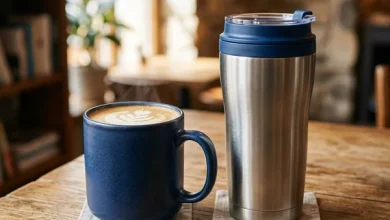
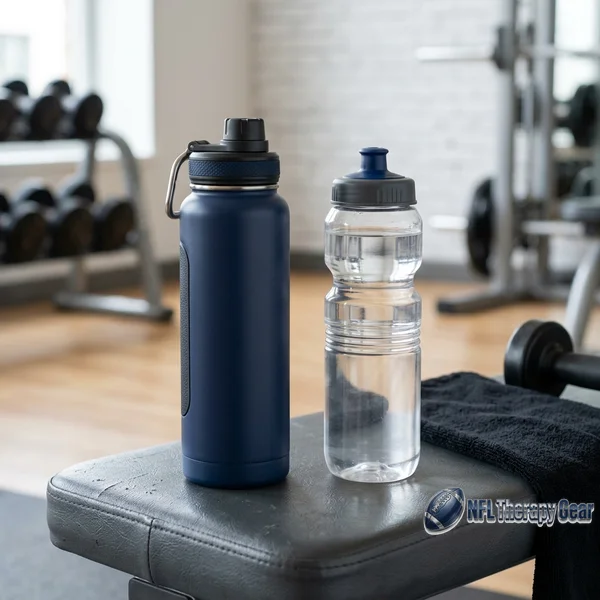
Stainless steel water bottles provide the most durable, flavor-neutral, and temperature-retentive option in the team hydration category. Eighteen-eight food-grade stainless steel resists corrosion, does not absorb flavors from previous beverages, and maintains structural integrity through the drops, bag compression, and daily handling that active-use bottles experience. The material’s inherent durability creates bottles capable of years of daily service without the cracking, clouding, or deformation that plastic alternatives develop over extended use.
Vacuum insulation in double-walled stainless bottles maintains beverage temperature for hours — keeping cold water cold through long workouts, outdoor activities, and game-day exposure to summer heat. The vacuum layer between inner and outer walls eliminates the heat conduction that single-wall bottles allow, providing temperature performance impossible with non-insulated alternatives regardless of their material quality.
Weight represents the primary trade-off of stainless steel construction. Stainless bottles weigh significantly more than plastic alternatives of similar capacity, adding noticeable weight to bags, backpacks, and hand-carrying during activities where weight sensitivity matters. The weight premium is acceptable for contexts where temperature performance and durability justify the added mass, but may be excessive for weight-conscious activities like running and cycling.
Plastic Bottles
BPA-free plastic water bottles offer the lightweight portability that active hydration demands during weight-sensitive activities. Modern food-safe plastics — Tritan copolyester, HDPE, and polypropylene — provide shatter-resistant, lightweight vessels free from the health concerns that BPA-containing plastics historically raised. Team graphics print vibrantly on plastic surfaces, producing bold team displays on the lightweight format that active users prefer.
Squeeze bottle designs with pull-top valves provide rapid hydration access without unscrewing caps — essential during athletic activities where hydration pauses must be brief and one-handed. The squeeze-and-drink action that flexible plastic enables serves athletes, gym users, and outdoor enthusiasts who need immediate water access without interrupting their activity for cap removal.
Transparency in clear and translucent plastic bottles allows visual monitoring of water consumption progress throughout the day. Graduated volume markings on transparent bottle sides help fans track daily hydration goals without estimating consumption from opaque containers. Team-colored translucent bottles maintain team identity while providing the consumption visibility that hydration-conscious users value.
Collapsible and Portable Bottles
Collapsible water bottles — constructed from flexible silicone or folding plastic — compress to flat profiles when empty, providing hydration capacity that occupies minimal bag space during transport. Team-branded collapsible bottles serve stadium-going fans who need hydration capacity during the game but want empty-bottle portability during the walk back to the car when carrying capacity is occupied by other items.
Foldable bottles that compress after emptying solve the storage challenge that rigid bottles create when empty — an empty rigid bottle occupies the same bag space as a full one, while a collapsed flexible bottle frees that space for other items. This post-use compactness makes collapsible bottles particularly practical for bag-space-limited situations like stadium visits and air travel.
Hydration Tracking Features
Smart water bottles with LED indicators, smartphone-app connectivity, and consumption-tracking sensors provide technology-enhanced hydration management that standard bottles cannot offer. These connected bottles track daily water intake, remind the user when hydration intervals elapse, and record consumption data that helps users monitor and optimize their hydration habits over time.
Simple non-tech tracking solutions — time-marked bottles with hourly consumption targets printed on the side, motivational consumption milestones, and team-themed daily goal markers — provide hydration awareness without the cost and complexity of electronic tracking. A bottle marked “First Quarter” at twenty-five percent, “Halftime” at fifty percent, and “Fourth Quarter” at seventy-five percent transforms hydration tracking into a game-themed experience that football fans find motivating.
Sport Caps and Lid Systems
Lid design dramatically affects the drinking experience and determines how the bottle serves different hydration contexts. Straw lids allow drinking without tilting the bottle — ideal for driving, desk work, and situations where bottle-tilting is impractical. Flip-top lids provide single-press opening with moderate flow rates suitable for steady sipping. Wide-mouth lids accommodate ice cubes and rapid filling but require controlled tilting to prevent over-flow during drinking.
Interchangeable lid systems — bottles designed to accept multiple lid types from the same manufacturer — provide versatility that single-lid bottles cannot match. Switching between a straw lid for desk use, a sport cap for gym activities, and a wide-mouth lid for ice loading converts one bottle into a multi-context hydration tool through simple lid changes.
Leak-proof seal quality determines whether the bottle can safely share bag space with electronics, documents, and other water-sensitive items. Quality seal designs use silicone gaskets that compress uniformly around the bottle opening, creating watertight closures that maintain integrity through the bag jostling and pressure changes that occur during daily transport and air travel.
Gym and Training Use
Gym environments subject water bottles to specific conditions — repeated drops onto hard gym floors, contact with equipment surfaces, and the frequent opening-drinking-closing cycle that workout hydration produces. Team bottles selected for gym use benefit from impact-resistant construction, easy-open lids that facilitate rapid hydration between sets, and wide mouths that accept the protein powder and supplement additions that many gym users add to their hydration routine.
Antimicrobial interior treatments in some premium bottles inhibit the bacterial growth that warm, moist bottle interiors promote — particularly important for bottles that remain in gym bags between workouts, creating the warm, enclosed conditions ideal for bacterial proliferation. These treatments supplement regular cleaning rather than replacing it, providing additional protection during the between-cleaning periods when bacteria would otherwise multiply.
Kids and Youth Bottles
Team-branded water bottles designed for children prioritize spill-proof construction, lightweight materials, and size dimensions appropriate for smaller hands and school bag compartments. Bite-valve lids that require deliberate mouth-pressure to open prevent the accidental spilling that flip-top and open-mouth lids produce when children’s bottles tip over in backpacks and lunch boxes.
School-appropriate bottle sizes — typically twelve to sixteen ounces for elementary-age children, sixteen to twenty ounces for middle schoolers — match the capacity that children can comfortably carry and consume during a school day. Oversized adult bottles may be too heavy and unwieldy for younger children, creating carrying difficulty that discourages the consistent hydration that appropriately sized bottles encourage.
Durability matters particularly for children’s bottles, which endure drops, tosses, and the general rough handling that children’s daily activities produce. Impact-resistant construction that survives repeated drops from desk height onto hard floors prevents the replacement cycle that fragile bottles necessitate in active children’s hands.
Personalized Bottles
Custom engraving and printing services produce team bottles with personalized names, jersey numbers, motivational quotes, and commemorative text. Laser engraving on stainless steel creates permanent personalization that becomes part of the bottle’s surface rather than an applied decoration that can peel or fade. Personalized team bottles make thoughtful gifts that carry individual significance beyond standard team merchandise.
Team water bottles commemorating specific events — marathon completions, training milestones, championship celebrations — serve as functional trophies that the recipient uses daily while remembering the achievement the bottle represents. The daily use of a commemorative bottle keeps the celebrated accomplishment present in the owner’s consciousness through repeated physical interaction with the memorial item.
Size and Capacity Selection
Water bottle capacity ranges from compact twelve-ounce bottles suited for brief outings to massive sixty-four-ounce vessels designed for all-day hydration without refilling. The optimal size balances hydration needs against portability — larger bottles provide more water between refills but add weight and bulk that smaller bottles avoid. Daily hydration experts generally recommend consuming half an ounce per pound of body weight daily, making capacity selection a function of the user’s body weight and planned refill frequency.
Multi-bottle strategies — carrying a compact bottle for short errands and a larger bottle for workouts and outdoor activities — match bottle capacity to situation-specific needs rather than compromising with a single size that underserves some contexts while being excessive for others. This multi-bottle approach also enables team-design variety, with different team bottle designs serving different usage contexts.
Office and Desk Hydration
Office-specific hydration needs prioritize leak-proof construction for proximity to electronics and documents, quiet operation for shared workspace environments, and desk-compatible dimensions that fit on work surfaces without consuming excessive space. Team bottles with flat bottoms, stable profiles, and clean modern aesthetics serve the professional context where hydration gear shares desk space with professional equipment.
The visual presence of a team water bottle on a desk creates all-day team-identity display throughout working hours. This continuous visibility — eight or more hours daily — makes the office water bottle one of the highest-visibility team items in the fan’s daily environment, exceeded only by items like phone cases that accompany the fan through all contexts rather than remaining at a single location.
Car Cup Holder Compatibility
Vehicle cup holder dimensions — typically designed for standard beverage containers — may not accommodate all water bottle sizes and shapes. Bottles with bases wider than the standard cup-holder diameter require narrow-base designs or adjustable cup holders to sit securely during driving. Team bottles selected for commuting use should be verified for cup-holder fit before purchase, as an unstable bottle in a cup holder creates both spill risk and driving distraction.
Workout Supplement Compatibility
Team bottles used for protein shakes, pre-workout drinks, and supplement mixing require wide mouths that accept powder scoops, mixing mechanisms (balls, screens, or blending inserts) that prevent clumping, and materials that resist the staining and odor absorption that protein-based beverages cause in some container materials. Stainless steel interiors resist protein staining better than plastic alternatives, though both materials benefit from prompt cleaning after supplement use to prevent the persistent odors that dried protein residue produces.
Collection and Display
Water bottle collections accumulate through purchases, gifts, and promotional acquisitions. Displaying the collection — on kitchen counter racks, pantry shelves, or dedicated bottle storage — organizes multiple bottles for easy selection while showcasing the team designs across the collection. Rotating between bottles daily keeps each piece in active use while providing the visual variety that single-bottle reliance lacks.
Stadium and Event Use
Stadium water bottle policies vary by venue — some stadiums permit sealed factory-produced water bottles, while others restrict all outside beverages. Understanding the specific venue’s policy before attending prevents the gate-entry disappointment of having a team water bottle confiscated at security because the venue prohibits outside containers. Checking the venue’s current policy (which may differ from past visits if policies have been updated) ensures compliance with current entry requirements.
Outdoor summer games create dehydration risks that in-stadium hydration options may not adequately address. Fans permitted to bring water bottles benefit from insulated options that maintain cold temperatures through multi-hour sun exposure, providing refreshing hydration throughout the game rather than the lukewarm water that non-insulated bottles deliver after extended outdoor heat exposure.
Cleaning and Maintenance
Daily cleaning prevents the bacterial biofilm that develops on interior surfaces and lid components between uses. Thorough cleaning requires reaching all interior surfaces — bottle brushes access the bottom and sides of narrow-mouth bottles that sponges and cloths cannot effectively reach. Lid disassembly — removing straws, gaskets, and valves for individual cleaning — prevents the mold and bacterial growth that develops in the crevices and channels of complex lid assemblies.
Deep cleaning with baking soda and vinegar solutions removes stubborn odors and stains that daily soap-and-water cleaning may not eliminate. Overnight soaking in a baking soda solution breaks down the organic buildup that produces the staleness that neglected bottles develop over weeks of use without deep cleaning. This periodic deep clean — recommended weekly for daily-use bottles — restores the fresh interior condition that pleasant drinking requires.
Replacement signals indicate when a water bottle has reached the end of its effective service life. Persistent odors that survive deep cleaning, visible interior staining that cannot be removed, cracked or warped plastic, compromised seal integrity that produces leaking, and degraded insulation performance (in vacuum bottles) all indicate that the bottle should be replaced rather than subjected to further cleaning attempts that will not restore acceptable condition.
Outdoor Adventure Use
Hiking, camping, and outdoor recreation contexts subject team water bottles to conditions beyond daily urban use — trail impacts, exposure to dirt and sand, temperature extremes, and extended periods without cleaning access. Bottles selected for outdoor adventure should prioritize impact resistance, wide-mouth openings for stream filling and filtration compatibility, and carabiner loops or attachment points that secure the bottle to backpacks during trail movement.
Insulated bottles serve double duty during outdoor camping — maintaining cold water during warm daytime activities and keeping hot beverages warm during cold evening and morning camp sessions. This dual-temperature utility makes insulated team bottles among the most versatile pieces in the outdoor-recreation gear kit, serving both refreshment and warmth functions from a single vessel.
Travel Hydration
Air travel subjects water bottles to pressure changes that can cause leaking in bottles with inadequate seal designs. The cabin pressure differential during flight creates internal pressure within sealed bottles that pushes against lid seals, potentially forcing water past gaskets that hold securely at ground-level pressure. Leak-proof bottles verified for altitude performance prevent the bag-soaking incidents that pressure-vulnerable bottles produce during flights. Airport security requires empty bottles through checkpoint, but refilling at airport water fountains before boarding provides in-flight hydration without purchasing overpriced airport beverages.
Environmental Impact
Reusable team water bottles represent one of the most environmentally impactful fan merchandise categories. Each reusable bottle eliminates hundreds of single-use plastic water bottles annually, reducing the plastic waste stream that disposable water consumption generates. The environmental benefit compounds over the bottle’s multi-year service life, potentially preventing thousands of single-use bottles from entering waste streams over a quality bottle’s functional lifespan.
Bottles manufactured from recycled materials — recycled stainless steel or post-consumer recycled plastics — extend the environmental benefit from use-phase waste reduction into production-phase resource conservation. These recycled-material bottles reduce the virgin resource extraction that new-material production requires while providing identical functional performance to conventionally sourced alternatives.
Gifting Hydration Gear
Team water bottles make practical gifts appreciated by active fans who value both hydration and team identity during physical activities. Premium insulated bottles represent investment-quality gifts suitable for significant occasions, while lightweight plastic alternatives serve as accessible gifts for casual occasions and group gifting. Pairing a team water bottle with complementary items — a team gym towel, team headband, or team protein shaker — creates comprehensive fitness gift sets that extend beyond hydration into broader activity support.
References:
- NFL.com — Official Fan Hydration Collection
- U.S. Food and Drug Administration — Food Contact Material Safety
- NSF International — Drinking Water Equipment Standards
- U.S. Environmental Protection Agency — Reusable Bottle Impact Studies
- American College of Sports Medicine — Hydration Guidelines