The team t-shirt is the most fundamental piece of NFL fan apparel. It is the entry point — the first team-branded garment many fans own, the most frequently worn, and the most likely to be seen on any given Sunday from living rooms to stadium seats across the country. Its simplicity is deceptive. Behind the basic format of printed cotton lies a world of design decisions, fabric choices, and printing technologies that determine whether a team tee feels premium or disposable after its first wash.
Understanding what makes NFL t-shirts different from each other — beyond the obvious distinction of which team logo they display — empowers fans to select garments that match their expectations for comfort, durability, and visual quality. The difference between a t-shirt that maintains its shape, color, and graphic integrity through fifty washes and one that fades and shrinks after five is not luck but material and manufacturing quality.
Fabric Composition and Quality
Cotton
One hundred percent cotton t-shirts remain a popular choice among NFL fans for their natural-fiber softness, breathability, and familiar hand feel. Cotton absorbs moisture well, which keeps skin feeling dry in moderate conditions, and its natural fiber structure provides comfort against the skin that many wearers prefer over synthetic alternatives.
Cotton quality varies by fiber type and processing. Ring-spun cotton — where fibers are twisted into a tight, smooth yarn before knitting — produces a softer, more durable fabric than open-end spun cotton, which uses a cheaper manufacturing process that creates a slightly rougher texture. Combed cotton adds an additional processing step where shorter fibers are removed and remaining fibers are aligned, producing the softest, smoothest cotton fabric available. Premium NFL tees often specify ring-spun or combed cotton to differentiate their fabric quality from budget alternatives.
The weight of cotton fabric affects both feel and performance. Lightweight cotton (four to five ounces per square yard) produces thin, breathable tees ideal for warm weather but prone to transparency and faster wear. Midweight cotton (five and a half to six ounces) provides the balance of comfort and substance that most fans prefer for regular wear. Heavyweight cotton (six and a half ounces or more) creates substantial, structured garments with excellent longevity but reduced breathability in warm conditions.
Cotton-Polyester Blends
Blended fabrics combining cotton and polyester leverage the strengths of both fibers while mitigating their individual weaknesses. Cotton provides softness and moisture absorption; polyester contributes durability, shape retention, and resistance to shrinkage and wrinkle formation. Common blend ratios range from sixty-forty cotton-polyester through fifty-fifty equal blends to tri-blends that add rayon for enhanced drape and softness.
Tri-blend fabrics — typically combining fifty percent polyester, twenty-five percent cotton, and twenty-five percent rayon — have gained significant popularity in premium NFL apparel for their exceptionally soft hand feel and flattering drape. The rayon component adds a subtle sheen and fluid movement that pure cotton or cotton-polyester blends cannot achieve, creating t-shirts that feel luxurious against the skin and hang attractively on the body. The trade-off is slightly reduced durability compared to pure cotton or simple two-fiber blends, as rayon fibers are more susceptible to abrasion damage.
Performance Fabrics
Performance NFL tees use moisture-wicking polyester or polyester blends engineered for athletic activity. These fabrics transport perspiration from the skin surface to the fabric exterior, where it evaporates rapidly. The result is a garment that maintains a dry-feeling interior even during physical exertion — a meaningful advantage for fans who participate in tailgate activities, walk significant distances to reach their stadium seats, or simply live in climates where warm-weather games produce significant perspiration.
The texture of performance fabrics differs from traditional cotton in ways that some wearers appreciate and others find less comfortable. Performance tees often feel slicker and smoother than cotton, with less of the familiar natural-fiber texture that cotton provides. Some manufacturers address this preference gap by developing cotton-feel performance fabrics that use textured polyester fibers to approximate cotton’s hand feel while maintaining superior moisture management.
Logo and Graphic Design Approaches
NFL t-shirt graphics extend far beyond simple team logo placement. The design approach — how logos, typography, imagery, and color are combined — creates the visual personality that distinguishes one team tee from thousands of alternatives bearing the same team identity.
Primary Logo Designs
The most straightforward design approach places the team’s primary logo prominently on the chest, letting the mark speak for itself without competing graphic elements. This clean, logo-forward approach works particularly well for teams with strong, recognizable logos that function as standalone graphic elements. The logo’s size, position, and reproduction quality become the design’s defining characteristics — a well-executed primary logo tee is timeless in a way that trend-driven designs cannot match.
Wordmark and Typography Designs
Typography-focused designs use team names, city names, or related text as primary graphic elements. The typographic choices — serif versus sans-serif, bold versus light, arched versus straight, distressed versus clean — create entirely different visual impressions from the same basic text content. Vintage-inspired typography using distressed printing techniques suggests heritage and tradition, while clean modern typography in current team fonts communicates contemporary brand identity.
Retro and Vintage Designs
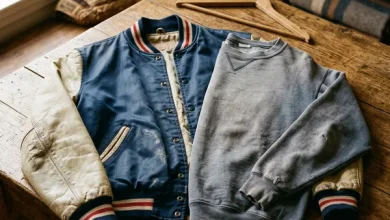
Vintage-style NFL tees deliberately reference earlier eras of team identity — former logos, discontinued color schemes, and historical typography. The visual treatment typically includes distressed printing (intentional cracking and fading of the graphic), heathered or slub-textured fabrics that evoke worn-in character, and softer color palettes that suggest fading from years of wash and wear. These design choices create new garments that look and feel like treasured vintage finds.
The popularity of vintage-styled tees reflects broader fashion trends that value authenticity, heritage, and individuality over current-season newness. Fans wearing vintage-design tees signal a deeper-than-casual connection to their teams — knowledge of franchise history, appreciation for design heritage, and a style sensibility that looks backward as well as forward.
Graphic and Illustrative Designs
Beyond logos and text, some NFL tees feature elaborate graphic designs — stylized illustrations, photographic treatments, or abstract compositions that incorporate team elements into complex visual compositions. These designs often reference specific aspects of team identity: stadium architecture, city skylines, regional symbols, or historical moments that connect the team to its geographic and cultural context.
Printing Methods and Durability
The printing method used to apply graphics to NFL t-shirts directly affects visual quality, tactile feel, and longevity through repeated laundering. Several primary printing technologies are used across different product tiers.
Screen printing remains the industry standard for large-scale production runs. Ink is forced through a mesh screen onto the fabric surface, building up color layer by layer. Quality screen printing produces vibrant, opaque colors with excellent coverage, but the ink layer sits on top of the fabric surface, creating a slightly raised texture that can crack and peel over time — particularly if subjected to high-heat drying.
Direct-to-garment (DTG) printing uses inkjet technology adapted for textile application, spraying water-based inks directly into the fabric fibers. DTG produces excellent detail resolution and smooth hand feel — the printed graphic feels like part of the fabric rather than a layer on top of it. Color vibrancy on dark fabrics requires a white under-base that can affect softness, but on light-colored tees, DTG printing is virtually indistinguishable from the unprinted fabric by touch.
Heat-transfer printing applies pre-printed vinyl or polyurethane film to the fabric surface under heat and pressure. Modern heat transfers can produce photographic-quality graphics with impressive detail and color accuracy. The transferred graphic creates a smooth, slightly glossy surface that differs in texture from the surrounding fabric — a characteristic that some fans prefer for its clean, polished appearance and others find less comfortable than ink-based printing methods.
Discharge printing removes the fabric’s original dye color and replaces it with the graphic color, producing a print that is literally part of the fabric rather than a layer applied to its surface. Discharge-printed graphics have the softest hand feel of any printing method — the printed area feels identical to the unprinted fabric because no additional material has been added to the surface. This technique works only on natural fiber fabrics and produces slightly less vibrant colors than other methods, but its superior comfort and vintage appearance make it popular for premium casual tees.
Color Theory in Team Apparel
NFL teams maintain carefully specified color palettes that govern how their identity appears across all branded products. Team t-shirts translate these color specifications into wearable garments, and understanding how color works in apparel context helps fans select tees that look intentional and coordinated rather than arbitrary.
Primary team colors — typically one or two dominant hues — appear as fabric base colors or graphic colors on most team tees. The emotional impact of these colors is significant: deep blues and greens communicate tradition and stability, bright reds and oranges project energy and aggression, and black or dark gray suggests sophistication and power. These color associations, developed over decades of brand exposure, make team colors instantly recognizable and emotionally evocative even in the absence of logo or text identification.
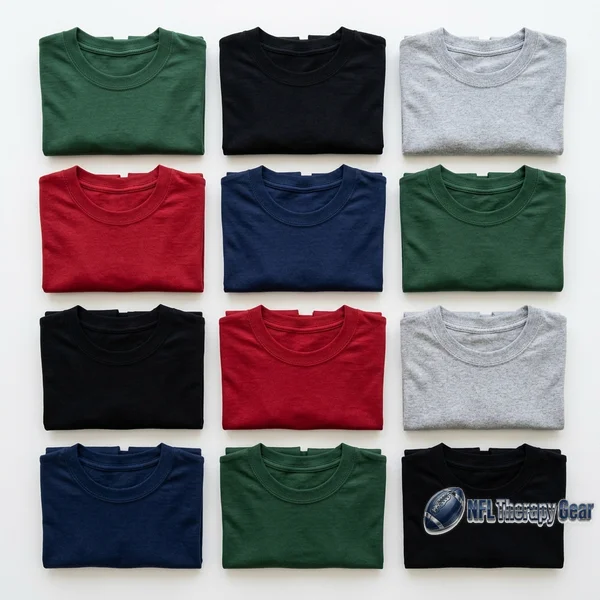
Neutral options — gray, black, and white tees with team-color graphics — provide versatility for fans who want team identity without committing to the bold visual statement of a fully saturated team-color garment. Gray tees in particular function as everyday casual wear that reads as team-affiliated without dominating an outfit’s color palette.
Fit Profiles and Body Types
NFL t-shirts are available in fit profiles ranging from boxy and relaxed to fitted and tailored. Selecting the appropriate fit transforms a t-shirt from a generic garment into a flattering, intentional part of an outfit.
Classic or standard fit provides a straight-cut silhouette that does not taper from chest to hem. This universally forgiving fit accommodates all body types comfortably and represents the most common cut in team-branded apparel. The relaxed proportions work well for casual, everyday wear where comfort takes priority over style refinement.
Slim or modern fit introduces tapering through the midsection and slightly narrower sleeves, creating a cleaner silhouette that follows the body more closely without being tight. This fit works particularly well for fans who plan to wear their team tee in semi-casual social settings where a more put-together appearance is desired.
Extended sizing in both directions — tall sizes with additional body and sleeve length, and big sizes with additional chest and midsection width — ensures that fans of all body types can find team apparel that fits properly rather than settling for standard proportions that pull, gap, or bunch in unflattering ways.
Building a Team T-Shirt Wardrobe
Dedicated fans typically accumulate multiple team tees over time, and approaching this accumulation intentionally creates a versatile wardrobe segment rather than a disorganized pile of similar garments. Strategic selection across several dimensions — color, design style, and formality level — ensures that each new acquisition adds genuinely different wearing options rather than duplicating existing pieces.
A well-rounded team tee collection might include: one primary-color logo tee for bold game-day statements, one neutral-base tee with subtle branding for everyday versatility, one vintage or retro design for casual social settings, and one performance tee for active use during tailgates, workouts, or warm-weather outings. These four categories cover the major wearing contexts a fan encounters throughout the year without excessive redundancy.
Seasonal rotation extends garment life by reducing the number of wash cycles each individual tee experiences per year. Rather than wearing the same favorite tee three times per week year-round, rotating between several options distributes wear and washing across the collection, resulting in each garment lasting proportionally longer before showing signs of fading, stretching, or graphic deterioration.
Game Day Styling
T-shirts serve as foundational pieces in game-day outfits, and how they are styled affects the overall impression. Tucked into jeans with a belt, a team tee creates a cleaner, more intentional look than the same shirt worn untucked. Layered beneath an open flannel shirt or denim jacket, a team tee provides team identity while integrating into a more complex, styled outfit that goes beyond pure fan gear.
Accessorizing around a team tee — with team-color hats, wristbands, or coordinated footwear — creates cohesive game-day looks that demonstrate thoughtful outfit planning rather than simple logo wearing. These complete looks photograph well for social media, project confidence in social settings, and show a level of fan commitment that resonates with fellow supporters.
Temperature management through layering makes the t-shirt versatile across a wider range of conditions than its single-layer construction suggests. A team tee worn beneath a zip-up hoodie provides warmth for cool evenings while allowing the tee to serve as a standalone garment when the temperature rises during afternoon games. This layering flexibility is particularly valuable for fans attending games in climates where temperature swings of twenty degrees or more between pre-game and post-game hours are common.
The long-sleeve tee variant extends the basic t-shirt format into cooler weather without the weight and bulk of a sweatshirt. Long-sleeve team tees provide sun protection for outdoor events, additional warmth for cool-weather games, and a slightly more dressed-up appearance compared to their short-sleeve counterparts. Many fans maintain both short-sleeve and long-sleeve versions of their preferred designs to cover the full temperature range of the NFL season.
Care for Maximum Lifespan
Extending the life of NFL t-shirts requires care practices focused on preserving both fabric integrity and graphic quality. Simple adjustments to standard laundering routines produce significant differences in how long team tees maintain their as-new appearance.
Cold water washing preserves fabric color and reduces graphic deterioration. Hot water opens fabric fibers, allowing dye molecules to escape and causing measurable color loss with each wash cycle. The difference between cold and hot water washing is cumulative — after twenty or thirty washes, the color difference between cold-washed and hot-washed identical garments is dramatic and irreversible.
Turning tees inside out before washing protects printed graphics from abrasion against other garments and the washing machine drum. This simple step significantly extends graphic life by eliminating the mechanical contact that causes cracking, peeling, and surface wear on printed elements. Combined with gentle cycle settings, inside-out washing provides the best balance of cleaning effectiveness and graphic preservation.
Air drying eliminates the single greatest threat to t-shirt longevity: dryer heat. High temperatures shrink cotton fibers, crack printed graphics, weaken elastic components, and accelerate overall fabric degradation. Fans who consistently air dry their team tees can expect significantly longer garment life compared to those who routinely machine dry, making the modest inconvenience of drying racks a worthwhile trade-off for extending the life of valued team apparel.
Fabric softener use is a matter of preference rather than necessity. Liquid softeners and dryer sheets reduce static cling and add softness, but they deposit a waxy coating on fabric fibers that can dull colors and reduce the absorbency of cotton over time. For fans who prioritize vibrant color retention, skipping softener and relying on the natural softening that occurs through repeated cold-water washing produces better long-term results without the chemical residue.
References:
- NFL.com — Official Fan Apparel and Merchandise
- AATCC — Textile Performance and Colorfastness Standards
- Cotton Incorporated — Cotton Fabric Research and Quality Grading
- Textile World — Printing Technology and Garment Manufacturing
- Fibre2Fashion — Apparel Design and Material Innovation