The polo shirt occupies a distinctive position in NFL fan apparel — it is the garment that allows team allegiance to enter spaces where t-shirts and hoodies cannot. Business casual offices, upscale sports bars, golf courses, and semi-formal social gatherings all welcome polo shirts while excluding more casual apparel formats. For fans who want to carry their team identity into these elevated contexts, the NFL polo provides a socially appropriate vehicle for displaying affiliation without compromising dress expectations.
The polo format’s inherent refinement — the structured collar, the button placket, the tailored hemline — elevates team branding from casual statement to intentional style choice. A well-fitted NFL polo communicates something different from a team t-shirt: it suggests that the wearer’s team affiliation is integrated into their broader personal style rather than existing as a separate category of dress limited to game-day occasions. Understanding the design elements, fabric options, and quality indicators that distinguish premium NFL polos from basic offerings helps fans select pieces that achieve this integration successfully.
Collar Construction and Types
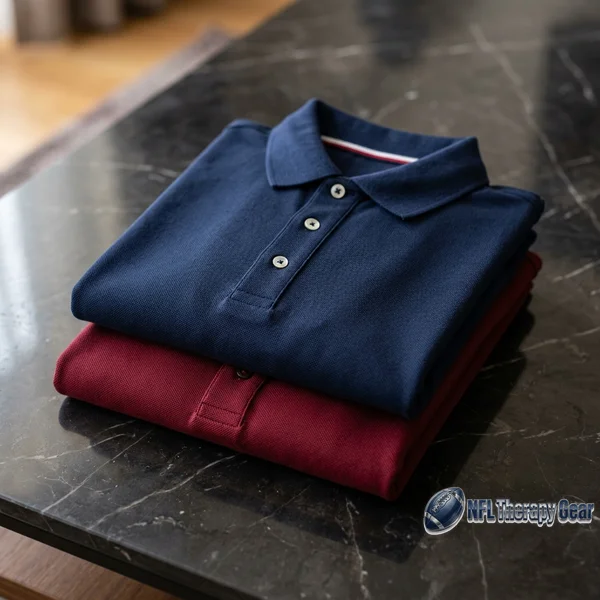
The collar is the polo shirt’s defining structural element — the feature that elevates it above a t-shirt and establishes its semi-formal credentials. Collar construction quality determines whether the shirt maintains its polished appearance through wearing and washing or deteriorates into a limp, curling disappointment after a few laundering cycles.
Flat-knit collars use a woven or tightly knitted fabric panel rather than ribbed knitting for the collar band. These collars lie flat against the neck with a crisp, structured appearance that resists the rolling and curling common in lighter constructions. Some flat-knit collars incorporate internal stiffening — thin fabric interfacing or bonded stabilizer material — that maintains the collar’s shape without the rigid formality of a dress shirt collar stay.
Ribbed collars — the traditional polo collar construction — use a ribbed knit that provides stretch and recovery. The quality of ribbed collars depends on the ribbing’s gauge (tighter gauge resists stretching better), its width (wider collars maintain shape more reliably than narrow ones), and the quality of its attachment to the shirt body. Premium ribbed collars are densely knitted, firmly attached, and maintain their upright position through dozens of wash cycles. Budget ribbed collars may look identical when new but lose their structure rapidly, developing the curled, flattened appearance that signals a worn-out polo.
Button-down collar points — where the collar tips fasten to the shirt body with small buttons — add a detail borrowed from traditional dress shirts. This feature keeps the collar lying neatly flat in all conditions, including windy stadium environments where unsecured collar points can flip and fold in unflattering ways. Button-down collars also project a slightly more traditional, preppy aesthetic that some fans prefer for its classic American sportswear association.
Fabric Technologies
Piqué Cotton
Piqué knit — a textured weave characterized by a raised geometric pattern on the fabric surface — is the classic polo shirt fabric. The waffle-like texture creates a fabric that is slightly thicker and more structured than flat jersey knit, with better air circulation due to the dimensional surface that creates micro-channels for airflow. Cotton piqué provides the traditional polo hand feel that most wearers recognize and expect, with a substantial body that drapes well and resists the clingy, revealing behavior of thinner fabrics.
The quality of piqué cotton depends on cotton fiber quality (long-staple cotton produces smoother, more durable piqué than short-staple alternatives), knitting density (tighter knitting creates a more refined, opaque fabric), and finishing treatments (mercerization, pre-shrinking, and colorfast treatments enhance appearance and performance). Premium NFL polos specify these quality factors to differentiate themselves from mass-market alternatives that use the same basic construction with lower-quality inputs.
Performance Polyester
Performance polo fabrics use engineered polyester — sometimes blended with elastane for stretch — to create shirts optimized for comfort during physical activity and warm weather. These fabrics wick moisture, resist wrinkles, maintain their shape without ironing, and dry rapidly after perspiration or laundering. The practical advantages of performance fabrics make them popular for fans who wear team polos during active pursuits: golf, tailgate activities, travel, and summer casual wear where cotton’s moisture retention becomes a comfort liability.
The aesthetic evolution of performance fabrics has been significant. Early moisture-wicking polyester polos had a distinctly synthetic look and feel — shiny, slippery, and clearly artificial. Modern performance fabrics use textured weaves, matte finishes, and cotton-simulating fiber treatments that closely approximate the appearance and hand feel of natural cotton piqué while retaining synthetic performance advantages. This convergence of aesthetics and performance has made polyester polos acceptable in settings where their synthetic origins would have been conspicuous and unwelcome a decade earlier.
Cotton-Polyester Blends
Blended fabrics — typically sixty-to-forty or fifty-to-fifty cotton-polyester ratios — combine the natural softness and breathable comfort of cotton with the wrinkle resistance and shape retention of polyester. These blends produce polos that feel substantially like cotton against the skin while performing closer to synthetic fabrics in terms of durability, quick drying, and resistance to the shrinkage and distortion that afflict pure cotton garments over repeated laundering.
Fit and Silhouette
Polo shirt fit follows similar categories to t-shirts — classic, athletic, and slim — but the stakes of fit are higher because polos are worn in contexts where appearance matters more. A poorly fitted polo in a business casual setting projects carelessness in a way that a poorly fitted hoodie at a stadium does not.
Classic fit polos provide comfortable room through the chest and midsection with a straight-cut hem that falls below the belt line. This fit accommodates movement comfortably and suits a wide range of body types without requiring precise size matching. For fans who prioritize comfort over fitted appearance, classic-fit polos deliver reliable, forgiving proportions that look acceptable on virtually every body type.
Slim or modern fit polos taper from the chest through the midsection, creating a more contoured silhouette that follows the body’s natural shape. Sleeve lengths tend to be slightly shorter and more fitted around the bicep, and the overall body length may be marginally shorter than classic-fit equivalents. This fit creates a more contemporary, intentional appearance that works particularly well for fans with athletic or lean builds.
Length matters for functionality as well as appearance. A polo that is too short will untuck from pants during movement — reaching overhead, bending, or sitting — creating the disheveled appearance that polos are specifically chosen to avoid. Sufficient length to remain tucked during normal activity is essential for fans who wear team polos in professional or semi-formal settings where untucked shirts appear inappropriately casual.
Branding and Logo Placement
Logo treatment on NFL polos tends toward subtlety compared to the bolder graphics typical of t-shirts and hoodies. This restraint is intentional — the polo’s role as elevated casual wear requires branding that communicates team identity without overwhelming the garment’s refined aesthetic.
Left-chest embroidered logos — small, precisely stitched team marks positioned on the upper left chest — represent the most common and versatile placement for NFL polos. This placement mirrors the traditional logo position used by premium polo shirt brands, integrating team identity into the garment’s established visual language. The logo size is typically restrained — roughly two to three inches across — maintaining visibility without dominating the shirt’s appearance.
Sleeve embroidery — team logos or text embroidered on one or both sleeves — provides additional branding real estate without affecting the shirt’s chest presentation. Sleeve placement is visible during casual interaction but less prominent than chest placement, making it suitable for multi-logo applications where both team and league marks are displayed without visual competition.
Tone-on-tone embroidery — where the logo thread color closely matches the fabric color — creates the most subtle branding effect. The logo is visible only at close range or when light catches the dimensional texture of the embroidery, creating an understated team connection that is virtually invisible in professional settings where overt sports branding might be unwelcome.
Workplace Appropriateness
The question of whether NFL polos are appropriate for workplace wear depends entirely on the specific garment’s design, quality, and the workplace’s dress expectations. Well-made polos with subtle embroidered logos in conservative team colors can function as entirely appropriate business casual attire in most office environments. Polos with large, bold graphics, bright team colors, or casual construction details read as sports fan apparel rather than professional dress, regardless of their polo format.
Industry context matters. Creative industries, technology companies, and casual-culture workplaces generally accept team-branded polos without reservation. Traditional corporate environments, client-facing professional services, and formal business settings may view even subtly branded team polos as insufficiently professional. Reading the specific culture of one’s workplace — observing what colleagues wear and how branded casual apparel is received — provides the most reliable guidance for individual situations.
Friday casual dress policies specifically create opportunities for team polo wear in workplaces that maintain more formal standards on other days. The Friday polo — team-branded but professionally constructed — has become a workplace staple for fans who welcome the weekly opportunity to incorporate team identity into their professional wardrobe without risking weekday dress code conflicts.
Golf and Outdoor Event Wear
NFL polos have particular affinity with golf culture, where polo shirts are the standard playing attire and team-branded options allow fans to display allegiance on the course. The performance characteristics valued in golf polos — moisture management, stretch for swing freedom, UV protection for sun exposure, and wrinkle resistance for post-round socializing — align directly with the technical features offered by premium NFL performance polos.
Country clubs and golf facilities that enforce dress codes generally accept team-branded polos that meet their construction standards (collar, button placket, tucked fit), provided the branding is tasteful and the garment is well-maintained. This acceptance has made NFL polos a popular choice for corporate golf outings, charity tournaments, and casual rounds where participants want to express team identity within the sport’s dress traditions.
Beyond golf, NFL polos serve outdoor event occasions where dress expectations fall between casual and formal. Barbecues, outdoor wedding receptions, boat outings, and summer festivals present opportunities for polo-level dress that welcomes team branding as a conversation starter and social connector. The polo’s ventilated construction handles warm outdoor conditions more comfortably than dressier alternatives while maintaining the put-together appearance these events typically expect.
Gifting Considerations
NFL polos rank among the most gift-friendly categories of team apparel because they bridge the gap between personal preference and universal appropriateness. A team t-shirt as a gift assumes the recipient’s comfort with casual team display; a team polo makes no such assumption, providing a garment that functions as both team apparel and general-purpose casual dress regardless of the recipient’s usual relationship with sports merchandise.
Size selection presents the primary gifting challenge. Polo fit is less forgiving than hoodie or t-shirt fit — too large looks sloppy, too small restricts movement and creates unflattering pulling across the chest and midsection. Gift-givers can mitigate sizing uncertainty by selecting classic-fit models, which provide more forgiving proportions than slim-fit alternatives, and by retaining receipts or gift cards that allow size exchange if needed.
Color selection for gifts benefits from conservative choices. Neutral-base polos with subtle team branding in black, navy, or gray function in virtually any wardrobe and wearing context, while bold team-color polos may clash with the recipient’s existing clothing or exceed their comfort level with visible sports branding. When in doubt, understated options provide the most broadly appreciated gift choices.
Presentation elevates polo gifts beyond basic merchandise. Folding the polo neatly, adding tissue paper, and placing it in a quality gift box or bag transforms the presentation from casual fan gear into a thoughtful, considered present. This presentation attention signals that the giver selected the item with care rather than grabbing the first team-branded item they encountered.
Seasonal Versatility
NFL polos serve primarily as warm-weather garments, but layering extends their seasonal utility into cooler months. Worn beneath a v-neck sweater or quarter-zip pullover, a polo collar adds visual interest and structural detail to layered looks that would feel plain with a crewneck undershirt. This layering approach is particularly effective in climate-controlled indoor environments — offices, restaurants, social gatherings — where outerwear is removed but additional warmth beyond a single layer is desired.
Long-sleeve polo variants extend the format into transitional seasons, providing collar structure and button-placket refinement in a garment suitable for cool fall afternoons or temperature-fluctuating spring conditions. These pieces bridge the gap between summer polos and winter sweaters, covering the temperature range from the low fifties through the mid-sixties Fahrenheit where neither extreme is quite right.
Care for Longevity
Polo shirt care focuses on maintaining collar structure, fabric hand feel, and embroidery integrity — the three elements most vulnerable to laundering damage. Cold water washing with mild detergent preserves fabric color and embroidery thread vibrancy, while air drying prevents the heat-induced collar distortion that causes the curling and wilting most common in machine-dried polos.
Ironing or steaming collars after laundering restores their crisp, upright position. A few seconds with a steam iron on medium heat, pressing the collar flat from the underside, resets the collar’s shape and eliminates the wrinkles that develop during drying. This simple step makes the difference between a polo that looks freshly purchased and one that appears casually maintained.
Storing polos on hangers rather than folded preserves collar shape and prevents the fold creases that develop in stacked storage. Wide-shouldered hangers distribute the garment’s weight evenly, preventing the shoulder dimples and stretching that narrow hangers cause over weeks and months of hanging. Buttoning the top button during storage helps the collar maintain its intended position and prevents the points from curling inward.
Stain treatment on polo fabrics requires prompt attention because the textured piqué weave can trap staining agents in its dimensional surface more effectively than flat jersey fabrics. Blotting (not rubbing) fresh stains with a clean cloth removes surface material before it sets, and pre-treating with a gentle stain solution before laundering addresses remaining discoloration. Grass stains from tailgate activities, food spills from game-day dining, and perspiration yellowing are the most common stain types affecting NFL polo shirts, and each responds to specific treatment approaches that vary by fabric composition.
Ironing technique matters for achieving the professional appearance that justifies choosing a polo over more casual alternatives. Light steam on medium heat produces the best results on both cotton and blended fabrics. Ironing the body first, then the sleeves, and finishing with the collar ensures that the most visible element — the collar — receives final attention and benefits from the iron’s stabilized temperature. Over-ironing can create unwanted shine on synthetic-blend fabrics, so limiting iron contact time and using a pressing cloth on polyester-heavy blends protects the fabric’s intended matte appearance.
The investment in proper polo care pays dividends in garment longevity and presentation quality. A well-maintained NFL polo can serve reliably for three to five years of regular wearing, maintaining its color, collar structure, and embroidery integrity across hundreds of uses. This extended lifespan — substantially longer than the typical t-shirt — makes premium polo purchases more economical per-wear than their higher initial cost might suggest.
References:
- NFL.com — Official Fan Apparel Collection
- Cotton Incorporated — Piqué Knit and Cotton Fabric Research
- AATCC — Textile Performance Standards
- Textile World — Polo Shirt Manufacturing and Materials
- Fibre2Fashion — Apparel Construction and Fabric Technology