The smartphone case is arguably the most publicly visible personal accessory in modern life — held in the hand, placed face-down on tables, extracted from pockets dozens of times daily, and visible in nearly every social interaction throughout the day. For NFL fans, a team-branded phone case transforms this ubiquitous device into a continuous team-identity display that accompanies the fan through every activity and environment they enter. No other fan accessory receives the constant visibility and handling frequency that a phone case experiences.
NFL phone cases balance two competing priorities: protection of an expensive, fragile electronic device and visual expression of team identity through case design. Understanding how different case types, materials, and construction methods address both priorities helps fans select cases that adequately protect their devices while displaying team allegiance through the most-carried object in daily life.
Hard Shell Cases
Hard shell cases — constructed from rigid polycarbonate or similar hard plastics — provide a solid protective shell that resists the impacts, drops, and surface contact that smartphones encounter during daily use. The rigid construction creates a structural barrier between the device and impact forces, distributing impact energy across the case surface rather than concentrating it at the point of contact where crack-initiating stress would otherwise develop.
Team graphics on hard shell cases are typically applied through full-surface printing that covers the entire case exterior in team design, creating vibrant, edge-to-edge team displays with crisp graphic reproduction. UV-cured printing technology bonds graphics permanently to the plastic surface, creating wear-resistant decoration that maintains sharpness and color vibrancy through the frequent handling and pocket-insertion friction that phone cases experience daily.
Slim-profile hard cases add minimal bulk to the device while providing basic drop and scratch protection. These thin cases suit fans who prioritize pocket-friendly dimensions and the device’s original feel over maximum protection capability. The trade-off is reduced impact absorption — thin hard shells crack under high-energy impacts that thicker, cushioned alternatives would absorb without damage.
Silicone and TPU Cases
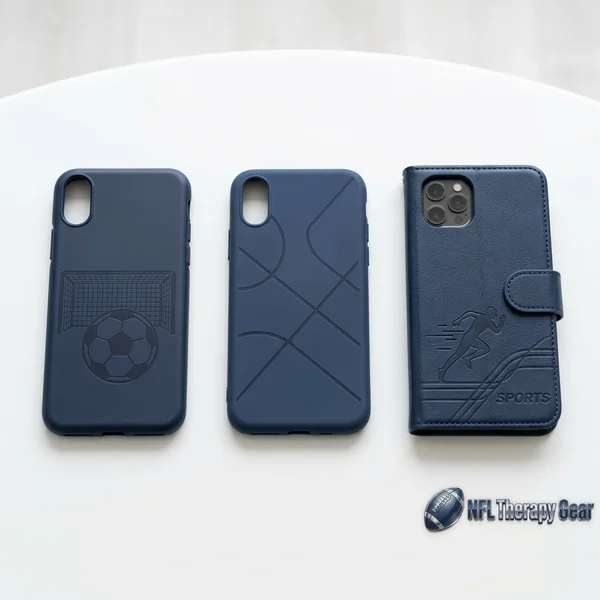
Silicone and thermoplastic polyurethane (TPU) cases provide flexible, shock-absorbing protection that conforms to the device’s contours while adding impact-absorbing cushioning at edges and corners where drops typically produce first contact. The elastomeric nature of these materials absorbs and distributes impact energy rather than transmitting it directly to the device, providing superior drop protection compared to rigid alternatives of similar thickness.
Textured silicone surfaces provide grip enhancement that reduces the drop frequency that necessitates case protection in the first place. The soft, slightly tacky texture of silicone creates friction against hands and surfaces that hard, smooth cases cannot match, making the device more secure during one-handed use and less likely to slide off angled surfaces where hard cases would slip immediately.
Color accuracy for team designs on silicone and TPU cases depends on the printing or molding method used. Multi-color team designs require surface printing that may wear faster on flexible materials than on rigid surfaces because the material’s flexibility creates surface stress that accelerates graphic deterioration at bend points and high-contact areas.
Hybrid and Multi-Layer Cases
Hybrid cases combine rigid back panels with flexible bumper frames, marrying the graphic-display quality of hard surfaces with the impact-absorbing cushioning of elastic materials. This dual-material construction places team graphics on the flat, rigid back panel where they display optimally, while surrounding the device’s vulnerable edges and corners with shock-absorbing material that handles the drop impacts rigid materials alone would transmit to the device.
Military-grade drop certification — typically MIL-STD-810G testing — validates that hybrid cases protect devices through drops from specified heights onto hard surfaces. Cases displaying this certification have undergone standardized impact testing that verifies their protective claims, providing objective quality assurance beyond manufacturer marketing claims. Team cases with military-grade certification combine fan expression with verified device protection.
Wallet and Folio Cases
Wallet cases integrate card storage with phone protection, eliminating the need to carry a separate wallet by incorporating credit card slots, ID windows, and sometimes cash pockets into the phone case structure. Team-branded wallet cases combine team-identity display with this everyday carry consolidation, creating single accessories that serve both identification and device-protection purposes.
Folio-style cases — with front covers that fold over the screen when not in use — provide screen protection that back-only cases cannot offer. The folding cover creates a physical barrier against screen contact with surfaces, keys, and other objects that share pocket space with the device. Team designs on folio covers display when the device is closed, creating a team-branded front face that shows during carry and table placement.
Magnetic closure mechanisms keep folio covers securely closed during pocket carry while allowing quick one-handed opening when the device is needed. Strong magnetic closures prevent accidental cover opening that exposes the screen to the surface contact the cover is designed to prevent, while remaining easy enough to open that accessing the device does not require fumbling with clasps or snaps.
Screen Protection Integration
Raised lip design — where the case edge extends slightly beyond the screen surface — prevents direct screen-to-surface contact when the device is placed face-down. This lip creates a protective gap between the screen and the table, floor, or other surface the device rests on, preventing the screen scratches that direct contact produces. Team cases with insufficient lip height fail to provide this critical screen-contact prevention regardless of how effectively they protect the device’s back and edges.
Tempered glass screen protectors paired with team cases create comprehensive front-and-back device protection. These glass shields absorb scratch and impact forces that would otherwise damage the device’s own screen glass. When combined with team cases that protect the device’s back and edges, tempered glass screen protectors complete the protective enclosure that comprehensive device protection requires.
Wireless Charging Compatibility
Wireless charging functionality requires that the case material and thickness not interfere with the electromagnetic coupling between the device and charging pad. Most thin to moderate-thickness cases allow wireless charging without removal, while thick or metal-containing cases may block or weaken the wireless charging signal. Fans who rely on wireless charging should verify that their selected team case supports charging through the case material before purchasing.
MagSafe-compatible cases for Apple devices include embedded magnets that align with MagSafe charging and accessory systems. Team cases with MagSafe compatibility provide the magnetic alignment that ensures efficient wireless charging and secure accessory attachment while displaying team graphics on the case exterior. This compatibility ensures the case does not compromise the device’s magnetic ecosystem functionality.
Device Compatibility and Fit
Phone case fit is device-specific — each case is designed for a particular phone model’s exact dimensions, button positions, camera layouts, and port locations. Selecting a case designed for the exact device model ensures precise fit that maintains access to all device features. Even cases designed for different generations of the same phone line may not fit correctly if button positions, camera module designs, or overall dimensions changed between generations.
Camera cutout design affects both photography quality and case aesthetics. Precisely cut camera openings that align exactly with the device’s camera lenses ensure unobstructed photography without the vignetting or reflection that poorly positioned cutouts can cause. Quality team cases invest in precise camera cutout design that maintains the photography performance the device was engineered to provide.
Customization and Personalization
Custom team phone cases with personalized elements — names, jersey numbers, favorite player references, or commemorative text — create individually unique device accessories that standard team cases cannot match. Print-on-demand services produce custom cases from uploaded designs, enabling fans to create phone cases that combine team identity with personal elements impossible to find in mass-produced alternatives.
DIY case customization using clear cases as canvases — inserting printed images, stickers, or decorative elements between the clear case and the device — allows frequent design changes without purchasing new cases. This approach provides unlimited design flexibility through interchangeable inserts while the clear case provides consistent physical protection regardless of the decorative element displayed.
PopSocket Grips and Accessories
PopSocket grips — collapsible phone accessories that attach to the case back — provide improved grip, phone-stand functionality, and an additional team-display surface on the case’s rear panel. Team-branded PopSocket grips add a functional accessory to the team case while creating a secondary team-identity display point visible when the phone is held or resting on a surface. Swappable PopSocket tops allow fans to change team designs without replacing the adhesive base, enabling seasonal or mood-based design rotation.
Ring holders and kickstands in team themes provide alternative grip and stand functionality with team-identity expression. These functional accessories reduce drop risk during one-handed use while adding team-branded elements to the case assembly. The combined functionality of improved grip, hands-free viewing (through stand or kickstand mode), and team display makes these accessories multi-benefit additions to any team phone case setup.
Environmental Protection
Outdoor stadium environments expose phone cases to conditions beyond typical indoor use — rain, snow, extreme temperatures, direct sun UV exposure, and contact with food and beverage spills in crowded seating areas. Water-resistant phone cases with sealed port covers protect devices during the rain exposure that open-air stadium attendance frequently involves, preventing the water damage that a sudden rainstorm can inflict on unprotected devices during outdoor games.
Temperature extremes affect both device performance and case material behavior. Extreme cold can cause rigid plastics to become brittle and crack on impact, while extreme heat can soften adhesives and cause graphic delamination. Fans attending games in extreme weather conditions benefit from case materials selected for temperature resilience — silicone maintains flexibility in cold conditions, while temperature-rated hard plastics resist brittleness across wider temperature ranges than standard polycarbonate.
Cleaning and Hygiene
Phone cases accumulate bacteria, oils, and debris from constant hand contact and placement on various surfaces throughout the day. Regular cleaning — wiping the case with disinfectant wipes or mild soap and water — removes the bacterial accumulation that builds on surfaces touched hundreds of times daily. This hygiene maintenance is particularly important during cold and flu season, when the phone and case serve as potential transmission vectors for pathogens transferred through hand contact.
Deep cleaning between case and device surfaces requires periodic case removal to clean the trapped debris, dust, and moisture that accumulates between the case interior and the device exterior. This trapped material can cause micro-scratches on the device surface and retain moisture that promotes corrosion at port and button openings. Monthly case removal and thorough cleaning of both surfaces prevents these hidden-accumulation damages.
Social Media and Photography Visibility
Phone cases appear in social media photographs whenever the phone is visible — mirror selfies, flat-lay arrangements, and casual snapshots all potentially capture the case’s team design. This incidental social media visibility extends the case’s team-identity display beyond physical presence into digital spaces where social media audiences view and notice the team representation the case displays.
Photography-conscious case selection considers how the case appears in photographs — bright team colors photograph distinctively, while dark or muted designs may not register clearly in images. Fans who frequently share social media content benefit from cases with visually prominent team designs that read clearly in both professional and casual photography contexts.
Tablet and Laptop Extension
Team-branded cases for tablets, laptops, and other devices extend the phone case’s team-identity concept across the fan’s complete device ecosystem. Matching team cases across phone, tablet, and laptop create unified team branding across all carried technology, presenting a cohesive team-identity statement that individual device protection cannot achieve alone.
Laptop sleeve and tablet folio cases with team designs provide device protection during transport while displaying team identity on device surfaces typically covered by generic protective accessories. These larger-format cases provide more design surface area than phone cases, enabling more elaborate and visually impactful team graphics that the phone case’s smaller dimensions constrain.
Insurance and Device Value
Quality protective cases reduce the risk of device damage that necessitates expensive repairs or replacement. The cost of a premium team case — typically a fraction of the device repair cost for a cracked screen or damaged chassis — represents protective investment that pays for itself if it prevents even a single damage incident during the case’s service life. Fans carrying devices valued at several hundred to over a thousand dollars benefit from viewing case investment as device insurance rather than accessory expense.
Durability and Replacement
Phone case lifespan depends on material type, usage intensity, and environmental exposure. Silicone cases yellow and lose elasticity over time through UV exposure and oils from skin contact. Hard cases develop scratches and chips that eventually compromise both appearance and structural integrity. Planning for periodic replacement — typically annually for daily-use cases — ensures that protection quality and visual appearance remain at acceptable levels rather than degrading to the point where the case provides neither effective protection nor attractive team display.
Case rotation between multiple team designs extends individual case lifespan while maintaining visual freshness. Alternating between two or three team cases — rotating by season, mood, or outfit coordination — distributes wear across multiple cases while providing the variety that single-case use lacks. This rotation also provides backup protection during periods when the primary case is being replaced or cleaned.
Leather and premium material team cases develop character through aging — the patina and wear patterns that genuine leather develops over use create a lived-in aesthetic that many fans find more appealing than the case’s original appearance. This aging character, unique to each case based on the owner’s specific handling patterns, creates an individually personalized appearance that no two cases share, making the well-worn leather team case a distinct expression of both team identity and personal usage history.
Fashion-conscious fans coordinate phone case selection with seasonal wardrobes, selecting team case designs that complement rather than clash with the colors and styles they wear most frequently. Team cases in neutral team colorways (silver, black, white accents) coordinate broadly with diverse wardrobes, while bold team-primary-color cases create intentional team statements that pair best with complementary clothing tones. This wardrobe-coordination approach treats the phone case as the fashion accessory it has become rather than as purely functional device protection.
Gifting Phone Cases
Team phone cases make excellent gifts when the recipient’s exact device model is known. The model-specific nature of phone case fit makes correct device identification essential — a case designed for the wrong model becomes unusable regardless of its design quality. Confirming the recipient’s exact phone model (including generation and variant) before purchasing prevents the disappointment of receiving a beautiful team case that physically cannot fit the intended device.
Gift sets pairing a team phone case with a matching screen protector and cleaning kit create comprehensive device-care packages that exceed the impact of the case alone. These sets demonstrate the gift-giver’s attention to the recipient’s device care needs while providing a complete team-branded protection system.
References:
- NFL.com — Official Fan Phone Accessories Collection
- U.S. Consumer Product Safety Commission — Electronic Accessory Safety
- ASTM International — Material Impact Testing Standards
- Underwriters Laboratories — Electronic Accessory Certification
- Federal Communications Commission — Wireless Device Standards