Vintage NFL apparel occupies a unique position in the fan wardrobe — it reaches backward through time to connect present-day fans with the visual identity of eras they may never have experienced firsthand. A throwback design referencing a team’s nineteen-sixties logo or nineteen-eighties color scheme creates a temporal bridge between contemporary fandom and franchise history, allowing fans to wear their team’s past as proudly as its present.
The vintage apparel category encompasses both genuinely old garments (actual vintage pieces from past decades) and newly manufactured garments designed to evoke vintage aesthetics through deliberate design choices. Understanding the distinction between authentic vintage and vintage-styled new production — and appreciating the appeal of each — helps fans navigate a category where nostalgia, design quality, and personal style converge.
Defining Vintage in NFL Apparel Context
Authentic Vintage
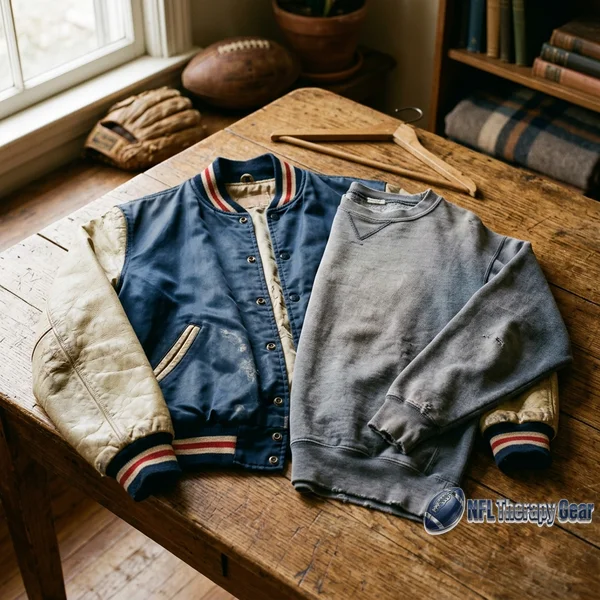
Authentic vintage NFL apparel consists of garments manufactured during the era they represent — a team t-shirt actually produced and sold in nineteen eighty-five, a satin jacket actually manufactured in nineteen ninety-two. These pieces carry the patina of genuine age: faded colors, softened fabrics, wear patterns from actual use, and printing or construction methods characteristic of their manufacturing era. Authentic vintage garments are found through secondary markets, vintage clothing retailers, estate sales, and family collections rather than through current retail channels.
The appeal of authentic vintage stems from its irreplicable authenticity. The specific shade of fading, the exact pattern of wear, the tactile quality of fabric that has aged naturally over decades — these characteristics develop organically and cannot be precisely manufactured. Each authentic vintage piece is unique, carrying a specific history of wearing, washing, and aging that makes it literally one-of-a-kind in ways that mass-produced new garments, even vintage-styled ones, cannot match.
Condition evaluation for authentic vintage requires assessing factors beyond those relevant to new apparel. Fabric integrity — whether the material retains sufficient strength for continued wearing or has degraded to the point of fragility — determines whether a vintage piece is wearable or suitable only for display and collection. Graphic condition — the degree to which printed or embroidered logos and text remain legible and attached — affects both the piece’s visual appeal and its value in collector markets.
Vintage-Styled New Production
Vintage-styled NFL apparel uses contemporary manufacturing to create new garments that evoke the aesthetics of past eras. Distressed printing, faded color palettes, retro logo reproduction, and aged-look fabric treatments simulate the appearance of vintage pieces without the fragility, sizing limitations, and scarcity of genuine vintage.
The sophistication of vintage styling has advanced considerably. Early vintage-styled team apparel used simple techniques — basic screen-printed retro logos on standard t-shirts — that captured the imagery of past eras without convincingly replicating their material character. Current vintage-styled production uses multi-step aging processes that affect fabric hand feel, color depth, stitch appearance, and graphic texture, creating garments that look and feel authentically worn-in from first wearing.
Design Elements of Vintage NFL Aesthetics
Retro Logo Reproduction
NFL teams have evolved their visual identities over decades, with many franchises having used multiple distinct logos, wordmarks, and mascot designs throughout their history. Vintage apparel reproduces these historical marks, bringing discontinued designs back into wearable circulation. For fans and design enthusiasts, these retired logos represent fascinating snapshots of graphic design history — each one reflecting the aesthetic sensibilities, cultural context, and production capabilities of its era.
The graphic design differences between eras are substantial. Logos from the nineteen-fifties and sixties tend toward simple, bold shapes with limited color palettes — designs constrained by the printing technology available and influenced by the mid-century design aesthetic that favored clean geometry. Logos from the nineteen-seventies and eighties introduced more complex illustration, gradient effects, and action-oriented imagery reflecting the era’s more dynamic design sensibility. Logos from the nineteen-nineties brought aggressive angular treatments, stylized typography, and expanded color usage characteristic of that decade’s extreme sports aesthetic influence.
Distressed Printing Techniques
Distressed printing deliberately introduces visual degradation into the graphic application — cracking, fading, uneven ink distribution, and edge deterioration that simulate the effects of years of wearing and washing. The techniques used to achieve these effects vary from simple approaches (single-pass printing with reduced ink coverage) to complex multi-step processes (print, wash, re-print, enzyme treat) that create nuanced, multi-layered aging effects.
Discharge printing — where the original fabric dye is chemically removed and replaced with the graphic color — produces vintage effects that are literally embedded in the fabric rather than layered on its surface. The resulting print has no tactile difference from the surrounding fabric, creating a graphic that feels like it has always been part of the garment rather than applied to it. This seamless integration contributes to an authentic vintage appearance that surface-printed aging techniques cannot fully replicate.
Fabric Aging Treatments
Fabric treatments that simulate years of wearing and washing transform new textiles into materials that feel and look organically aged. Garment washing — laundering finished garments multiple times with enzymes, silicone softeners, or mechanical agitation — creates the soft, broken-in hand feel associated with well-loved vintage clothing. Pigment dyeing — where the garment is dyed after construction rather than before fabric cutting — produces the irregular, faded color characteristic of vintage pieces, with seams and edges showing lighter tones than flat surfaces.
Slub and textured yarns create visual interest in vintage-styled fabrics by introducing deliberate irregularities — thicker and thinner sections within the yarn — that produce a handmade, uneven texture reminiscent of older manufacturing methods. Modern precision-spun yarns produce uniform, smooth fabrics that look distinctly contemporary; vintage-styled fabrics intentionally reintroduce the irregularities that older spinning technology produced naturally.
Era-Specific Style Categories
Golden Era (1950s-1960s)
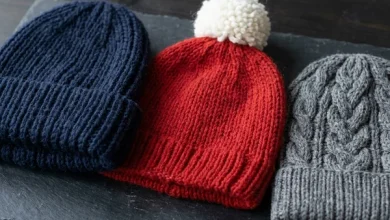
Apparel evoking the NFL’s formative professional era features simple, bold graphic treatments, limited two-or-three-color palettes, and classic garment silhouettes. Champion-style crewneck sweatshirts, basic pocket tees, and simple knit caps in team colors with minimal graphic embellishment capture the understated visual identity of an era when team merchandise was functional rather than fashionable.
Modern Classic (1970s-1980s)
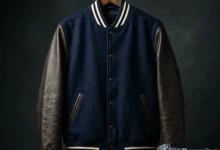
The seventies and eighties represent the era most commonly referenced in vintage NFL apparel — a period when team merchandising expanded significantly and created many of the design archetypes that vintage-styled apparel now reproduces. Satin jackets, iron-on graphic tees, striped athletic shorts, mesh practice jerseys, and tube socks with team-color striping all originated or reached peak popularity during this era, creating a rich visual vocabulary for vintage reproduction.
The color palettes of this era were often brighter and more saturated than contemporary team standards, reflecting both the dye technologies available and the broader aesthetic preferences of the period. Vintage apparel reproducing seventies and eighties designs frequently features these intensified colors, creating garments that feel energetically different from the more refined, corporate-influenced color standards of current team branding.
Retro Contemporary (1990s-2000s)
Nineties and early two-thousands team apparel — once considered simply outdated — has achieved vintage status as the generation that grew up during this period reaches adulthood and applies nostalgia to the aesthetics of their childhood. Oversized silhouettes, bold graphic treatments, early streetwear influences, and the distinctive typography of nineties design create a vintage category that feels more recent and culturally familiar than earlier eras.
Collecting Vintage NFL Apparel
Vintage NFL apparel collecting has grown from a niche hobbyist pursuit into a recognized segment of both sports memorabilia and vintage fashion markets. The intersection of sports fandom, fashion interest, and nostalgia drives demand across multiple collector demographics, creating a market where rare pieces from significant teams, seasons, or cultural moments command premium attention and trading interest.
Authentication of genuinely vintage pieces requires knowledge of manufacturing details specific to each era — tag styles, printing methods, fabric compositions, and construction techniques that changed over decades. Licensed manufacturer labels, care instruction tag formats, and country-of-origin markings all evolved over time, providing reference points that help distinguish authentic vintage from reproductions and counterfeits.
Condition grading for vintage apparel follows informal standards borrowed from other collectible categories. Factors including fabric integrity, color vibrancy relative to original shade, graphic completeness, stain or damage presence, and structural soundness all contribute to a piece’s condition assessment. Unlike some collectible categories where pristine condition is overwhelmingly preferred, vintage apparel collectors may value moderate wear as evidence of authentic use history — a gently worn vintage jacket tells a story that an unworn, deadstock example does not.
Storage and preservation for vintage apparel collections prioritize preventing further deterioration of materials that have already aged significantly. Acid-free tissue interleaving prevents color transfer and fabric-to-fabric chemical interaction. Cool, dark, dry storage conditions slow the photodegradation and moisture damage that continue affecting vintage textiles throughout their storage life. Minimal handling reduces the mechanical stress that fragile aged fabrics experience from folding, unfolding, and repositioning.
Cultural Significance of Throwback Apparel
Vintage NFL apparel functions as a cultural statement beyond its team-identity purpose. Wearing a throwback design communicates knowledge of and appreciation for franchise history — signaling to other fans that the wearer’s connection to the team extends beyond the current roster and season. This historical depth distinguishes throwback wearers from casual or recent fans in ways that current-season apparel cannot, creating an unspoken credential of long-term or deeply informed fandom.
The fashion world’s broader embrace of vintage and retro aesthetics has elevated NFL throwback apparel from niche fan merchandise to legitimate style pieces. Fashion-conscious consumers who might not identify as dedicated sports fans wear vintage-styled NFL apparel as fashion items — attracted by the graphic design quality, the cultural authenticity, and the distinctive character that vintage sports apparel brings to contemporary outfits. This crossover appeal has expanded the audience for throwback NFL apparel well beyond traditional fan demographics.
Regional identity expression through vintage apparel carries particular resonance in cities where NFL franchises have deep community roots. Wearing a throwback design that references a championship era or beloved historical player connects the wearer to the collective memory of their community’s sports history. In cities like Pittsburgh, Green Bay, and Chicago — where NFL franchise identity is deeply woven into civic identity — vintage team apparel serves as a badge of community membership as much as individual team affiliation.
The Psychology of Sports Nostalgia
The emotional appeal of vintage NFL apparel draws on nostalgia — the bittersweet longing for past experiences that memory has softened and idealized. For fans who lived through the eras that vintage apparel references, wearing a throwback design triggers personal memories: childhood games watched with family, youthful stadium experiences, social bonds formed through shared fandom. These emotional connections give vintage apparel a sentimental value that current-season merchandise — which has not yet accumulated memory associations — cannot possess.
For younger fans who did not experience the referenced eras firsthand, vintage apparel offers connection to a team history they know through stories, highlights, and family lore rather than personal experience. Wearing a design from their parents’ or grandparents’ fan era creates an intergenerational connection — a visible acknowledgment that their fandom extends through family lineage rather than beginning with their own independent discovery of the team.
Market Dynamics and Accessibility
The vintage NFL apparel market operates across multiple channels with different accessibility profiles. Licensed vintage-styled new production is available through standard retail channels — team shops, sporting goods retailers, and online marketplaces — at price points comparable to current-season team apparel. This accessibility ensures that fans seeking vintage aesthetics can find appropriate options without navigating the uncertainty and expertise requirements of authentic vintage purchasing.
The authentic vintage market requires more knowledge and patience to navigate effectively. Vintage clothing retailers, online auction platforms, consignment shops, and estate sales provide access to genuine period pieces, but finding specific teams, eras, designs, and sizes within these channels involves search effort that casual shoppers may find excessive. The reward for persistent searching, however, is the acquisition of genuinely unique pieces that cannot be replicated through new production.
Gifting Vintage and Throwback Apparel
Vintage-styled NFL apparel makes distinctive gifts that stand out from standard team merchandise. The historical reference embedded in throwback designs adds conversational depth — a gift of an eighties-era throwback hoodie carries more storytelling potential than a current-season standard hoodie, providing the recipient with both a garment and a historical connection to discuss and explore.
Matching the era reference to the recipient’s personal history elevates the gift’s emotional impact. A throwback design from the year a fan’s father first took them to a game, or from the season a fan’s family moved to the team’s city, creates a personalized historical reference that standard throwback selection cannot achieve. This thoughtful era matching transforms a team apparel gift into a biographical marker that acknowledges the recipient’s specific fan journey.
Authentic vintage pieces as gifts carry additional considerations around condition, sizing, and the recipient’s tolerance for genuine wear. Not all recipients appreciate the fragility and imperfections of genuinely aged garments — some prefer the clean, predictable quality of new production that merely evokes vintage aesthetics. Knowing the recipient’s preference for authentic character versus pristine presentation guides the choice between genuine vintage and vintage-styled new alternatives.
Styling Vintage and Vintage-Styled Apparel
Vintage NFL apparel integrates into contemporary wardrobes differently than current-season team merchandise. The faded colors, softened textures, and retro graphics of vintage pieces create natural pairing opportunities with other casual wardrobe elements — distressed denim, vintage-washed chinos, broken-in leather boots, and heritage-styled accessories. These combinations produce outfits where the vintage team piece feels organic within a broader vintage-informed aesthetic rather than isolated as a single nostalgic element in an otherwise contemporary outfit.
Mixing eras within an outfit — combining a vintage eighties team jacket with contemporary sneakers and modern-fit jeans — creates a deliberate contrast that communicates style awareness and intentional outfit construction. The vintage piece serves as the outfit’s focal point and conversation starter, anchoring an ensemble that bridges past and present aesthetics with the team identity providing the connecting thread.
Care for Vintage Pieces
Authentic vintage garments require gentler care than contemporary apparel because their aged fabrics have reduced strength, elasticity, and resistance to cleaning stress. Hand washing in cold water with mild, dye-free detergent provides the gentlest effective cleaning method for most vintage textiles. Machine washing — even on gentle cycle — subjects vintage fabrics to agitation forces that can tear weakened fibers, separate aged seams, and accelerate graphic deterioration beyond what hand washing would cause.
Vintage-styled new production requires standard care appropriate to its actual materials rather than special vintage-appropriate care. The aging treatments applied during manufacturing create the vintage appearance without the material fragility of genuine age, so these garments tolerate normal cold-water machine washing and air drying without the elevated damage risk that authentic vintage pieces face. Following the care label instructions specific to each garment ensures optimal preservation of the vintage styling treatments that give these pieces their distinctive character and visual appeal.
References:
- NFL.com — Official Throwback and Vintage Apparel Collection
- Pro Football Hall of Fame — Historical Visual Identity Archives
- AATCC — Textile Aging and Preservation Standards
- Textile World — Vintage Fabric Treatment Technology
- Smithsonian Institution — American Sports Fashion and Cultural Archives