The cap is the most visible piece of team apparel a fan can wear. Positioned at the highest point of the body, directly adjacent to the face, a team cap commands attention from every angle and distance in ways that chest-level logos and lower-body garments cannot match. It is often the first piece of team apparel a person notices about someone approaching, and it remains visible in situations — seated in restaurants, standing in crowds, driving in traffic — where jackets, hoodies, and t-shirts are partially or fully obscured by furniture, bodies, and vehicle interiors.
This visibility makes cap selection a significant identity decision. The style of cap — fitted or adjustable, structured or unstructured, flat-brim or curved — communicates not just team allegiance but personal aesthetic preferences and generational style sensibilities. Understanding the characteristics that define each cap category helps fans select headwear that represents both their team and their personal style with equal accuracy.
Fitted Caps
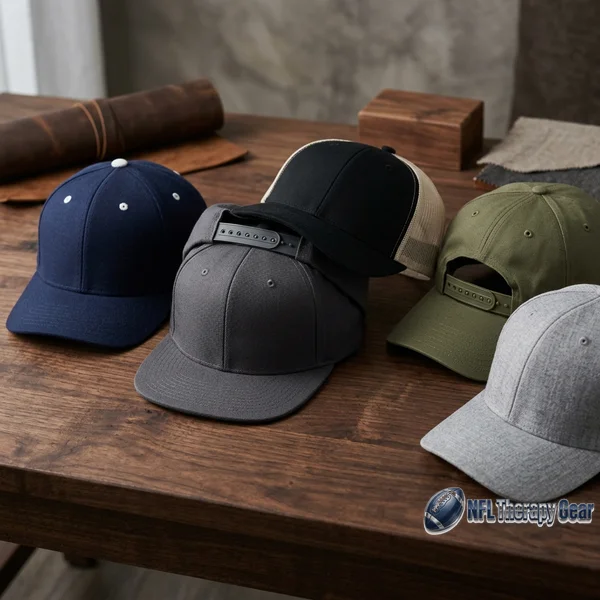
Fitted caps — sized to the wearer’s head circumference without adjustable closures — represent the traditional standard for premium team headwear. The absence of adjustment hardware creates a clean, uninterrupted profile around the entire cap, and the precise sizing produces a secure, comfortable fit that adjustable caps can approximate but never perfectly replicate.
Sizing for fitted caps follows a numerical system based on head circumference, typically ranging from size six and seven-eighths through eight or larger. Accurate sizing requires measurement — a flexible tape measure positioned around the head at the widest point above the ears and eyebrows provides the circumference that corresponds to the appropriate cap size. The precision of fitted sizing means that caps purchased without measurement risk being too tight (causing headaches and pressure marks) or too loose (sitting too high on the head and requiring constant repositioning).
Crown construction in fitted caps comes in two primary profiles. High-crown caps sit taller on the head, creating more vertical space above the skull and projecting a more prominent silhouette. Low-crown or mid-crown caps sit closer to the head, following the skull’s natural contour more closely and producing a sleeker, less conspicuous profile. Crown preference is largely aesthetic — neither is objectively superior — but the difference between the two profiles is substantial enough to create very different visual impressions on the same head.
The interior construction of fitted caps includes a sweatband — a fabric strip lining the interior brim edge that absorbs perspiration and provides a comfortable contact point between the cap and the forehead. Premium fitted caps use moisture-wicking synthetic sweatbands that manage perspiration effectively during warm-weather wear, while standard models may use cotton or cotton-blend bands that absorb moisture but do not transport it away from the skin as efficiently.
Snapback Caps
Snapback caps use a plastic snap closure at the back of the crown to provide adjustable sizing. The snap mechanism — a strip of plastic with multiple snap positions — accommodates a range of head sizes, making snapbacks a practical choice for gift-giving and for wearers who prefer not to commit to a specific fitted size.
The aesthetic character of snapback caps differs from fitted models in several ways. The snap closure creates a visible hardware element at the back of the cap that affects the rear profile. The crown tends to be structured and relatively tall, maintaining its shape when removed rather than collapsing. The brim is typically flat — maintaining the factory-flat position rather than being curved by the wearer — which connects the snapback to streetwear and hip-hop cultural influences that popularized the flat-brim aesthetic.
Snapback caps have experienced cyclical popularity, declining in the early 2000s before resurging strongly in the 2010s as retro-styled fashion and streetwear culture reintroduced flat-brim aesthetics to mainstream popularity. This resurgence brought snapbacks back to prominence as a legitimate alternative to fitted caps rather than a budget substitute, with premium materials and construction quality matching or exceeding their fitted counterparts.
Adjustable Strap-Back Caps
Strap-back caps use fabric, leather, or metal-buckle closures to provide continuously adjustable sizing. Unlike snapbacks, which adjust in discrete snap-position increments, strap-backs allow precise size customization that can be fine-tuned to exact comfort preferences.
Closure types affect both function and aesthetic. Fabric hook-and-loop (Velcro-style) closures provide quick, easy adjustment but produce a utilitarian appearance and can wear out over time as the hook material loses its gripping ability. Metal buckle closures — typically small slide buckles similar to those found on belts — provide a premium aesthetic and durable adjustment mechanism but require two hands to operate. Leather strap closures with metal buckle or snap fastening create the most refined appearance, connecting the cap to heritage and luxury aesthetics.
The crown profile of strap-back caps is frequently unstructured — lacking the rigid internal framework that maintains shape in structured caps. Unstructured caps conform to the head’s natural shape, creating a relaxed, broken-in appearance even when new. This relaxed aesthetic appeals to fans who prefer a casual, low-profile look that avoids the formal, precise appearance of structured fitted or snapback styles.
Trucker Caps
Trucker caps combine a fabric front panel — where the team logo is displayed — with mesh back panels that provide ventilation. The mesh construction allows airflow through the cap’s rear sections, making truckers significantly cooler in warm weather than fully enclosed cap styles. This ventilation advantage makes trucker caps popular for summer games, outdoor tailgates, and warm-climate markets where heat management is a practical concern.
The mesh panels create a distinctive visual texture that sets truckers apart from solid-fabric cap styles. The see-through quality of the mesh, combined with the contrast between the solid front panel and the open rear construction, gives trucker caps a casual, outdoor-activity aesthetic that connects them to fishing, hunting, and rural American cultural traditions. This aesthetic has been embraced and recontextualized by fashion and streetwear culture, expanding the trucker cap’s associations beyond its utilitarian origins.
Crown height on trucker caps tends toward the tall end of the spectrum, with the structured foam front panel creating a prominent vertical surface for logo display. This tall front panel provides generous space for embroidered or printed team graphics, making trucker caps effective vehicles for detailed logo work and multi-color designs that might be compressed or simplified on lower-profile cap styles.
Materials and Construction
Wool
Wool caps — particularly those using melton wool for the crown panels — represent the traditional premium material for fitted and snapback styles. Wool provides natural temperature regulation, absorbing and releasing moisture to maintain comfort across a range of conditions. The fabric’s structured hand and clean surface finish create a refined appearance that synthetic materials can approach but not perfectly replicate. Wool caps hold their shape well, resist casual wrinkles and deformation, and develop a character with age that many wearers find more appealing than the static appearance of synthetic alternatives.
Polyester and Performance Fabrics
Polyester and performance-blend fabrics dominate the athletic and lifestyle segments of the NFL cap market. These fabrics offer moisture-wicking capability, quick-dry performance, UV resistance, and stretch characteristics that wool cannot match. Performance caps designed for active outdoor use — tailgating, stadium attendance in warm weather, exercise — benefit from synthetic fabrics that manage heat and moisture more aggressively than natural fibers.
The aesthetic range of polyester fabrics has expanded dramatically. Textured weaves, heathered finishes, knit-look surfaces, and matte treatments create variety within the synthetic material category that prevents the uniform, plastic appearance associated with early polyester caps. Modern performance caps can look nearly indistinguishable from wool or cotton construction while delivering the functional advantages of engineered synthetics.
Cotton and Canvas
Cotton and cotton-canvas caps provide a casual, relaxed aesthetic associated with outdoor leisure and vintage sportswear. The natural fiber creates a soft hand feel that improves with washing and wearing, developing the broken-in character that many fans specifically seek. Washed cotton caps — pre-treated to achieve a softened, faded appearance before sale — deliver this vintage character immediately, bypassing the break-in period that new cotton caps require.
Brim Styles and Shaping
Brim shape is one of the most personally significant cap customization decisions, affecting both the cap’s visual character and its practical sun-blocking performance.
Flat brims maintain the factory-straight profile, projecting outward from the cap’s front edge without curvature. This shape provides maximum sun coverage across the widest area and creates a bold, graphic profile that emphasizes the cap’s structural geometry. Flat-brim styling is associated with contemporary streetwear, urban fashion, and younger demographic preferences, though its popularity spans all age groups and style contexts.
Curved brims follow an arc that bends downward at the edges, creating a rounded profile that frames the face and channels the wearer’s sightline. This traditional shaping is associated with baseball heritage, classic American sportswear, and a mature, understated aesthetic. Many wearers prefer to curve their own brims to a custom radius, treating the shaping process as a personalization ritual that creates a unique profile matched to their face shape and style preferences.
Pre-curved brims come shaped from the factory, providing immediate curved-brim aesthetics without the manual shaping process. The factory curve is typically moderate — more curved than flat but less aggressively bent than hand-shaped brims — offering a middle-ground profile that suits wearers who prefer curved aesthetics but do not want to invest time in manual shaping.
Embroidery and Graphic Quality
Logo application quality on caps affects both visual impact and long-term durability. High-density embroidery — where stitches are packed tightly together to create a smooth, continuous surface — produces the sharpest, most detailed logo reproductions and the most durable graphics. The stitch density creates a slightly raised, three-dimensional effect that adds visual depth and tactile interest to the logo application.
Puff embroidery extends this three-dimensional quality further by stitching over a foam substrate that elevates the embroidered area above the cap’s surface. The result is a noticeably raised logo with bold visual presence that catches light and shadow in ways flat embroidery cannot. Puff embroidery is particularly effective for simple, bold logo designs where the three-dimensional impact enhances rather than complicates the graphic’s readability.
Woven patches — pre-made fabric patches stitched or heat-applied to the cap’s surface — provide an alternative application method that allows for extremely detailed, multi-color graphics without the density limitations of direct embroidery. Patch-based applications can reproduce photographic detail, fine text, and gradient effects that embroidery technology cannot achieve, making patches suitable for complex commemorative and limited-edition designs.
Sizing and Comfort
Comfort during extended wear depends on proper sizing, sweatband quality, and crown depth. A cap that fits correctly sits level on the head without pressing the forehead or riding up above the ears, and maintains its position during normal head movement without requiring constant adjustment. Fans who plan to wear their team cap for extended periods — full game days from tailgate through post-game — should prioritize comfort characteristics alongside visual preferences.
Sweatband construction directly affects forehead comfort. Moisture-wicking synthetic sweatbands keep the forehead drier during warm-weather wear, reducing the discomfort and skin irritation that saturated cotton bands can cause during extended perspiration. Some premium caps feature terry-lined sweatbands that provide towel-like absorption and cushioned comfort, though these thicker bands slightly reduce the cap’s interior volume.
Special Editions and Seasonal Releases
NFL cap programs produce special-edition releases tied to specific events and milestones — draft day caps, divisional champion caps, conference champion caps, and championship celebration caps that commemorate the season’s defining moments. These event-specific caps become instant collectibles because their production is limited to the event’s timeframe, and the demand from fans of the winning team creates immediate scarcity for the most desirable designs.
Seasonal colorway releases introduce new color combinations that refresh team headwear options throughout the year. Spring and summer releases often feature lighter colors, pastel treatments, and alternative color palettes that differ from the team’s standard game-day palette. Fall and winter releases return to traditional deep team colors and add seasonal details like cold-weather materials, earflap extensions, and lined interiors that add function to the style refresh.
Collaboration releases — where cap manufacturers partner with fashion brands, artists, or cultural figures to produce limited-edition designs — create caps that bridge sports fandom and fashion culture. These collaborations often feature unconventional materials, experimental color treatments, or design elements that would not appear in standard team headwear releases, producing pieces that appeal to fashion-focused fans and collectors as much as traditional sports supporters.
Building a Cap Collection
Cap collecting follows several organizational strategies that give structure to what might otherwise become a disorganized accumulation. Single-team depth collections assemble every available style and colorway for one team, creating a comprehensive survey of how a franchise’s identity translates across different cap formats. League-wide breadth collections acquire one cap from each team, creating a panoramic display of the NFL’s visual diversity across all thirty-two franchises.
Event-specific collections focus on milestone caps — all-star game caps, draft caps, championship celebration caps, and other event-tied releases that mark specific moments in NFL history. These collections document the league’s calendar through headwear, creating a timeline of seasons and events that each cap represents. The limited production of event caps adds collecting challenge, as some releases become difficult to acquire once their associated event has passed.
Display solutions for cap collections range from simple wall-mounted hooks and pegboard systems to custom-built display cases with individual compartments for each cap. Wall-mounted displays keep caps visible and accessible while preventing the stacking and crushing that shelf storage can cause. Rotating displays — changing which caps are on prominent display periodically — keep the collection feeling fresh and provide regular opportunities to appreciate pieces that might otherwise be overlooked in a static arrangement.
Care and Maintenance
Cap care differs from garment care because the structured construction of most caps does not tolerate standard machine washing. The cardboard or plastic stiffeners in structured brims can warp, delaminate, or dissolve when submerged in water and agitated, permanently distorting the brim’s shape and the cap’s overall profile.
Spot cleaning with a soft brush and mild soap solution addresses most surface soiling without risking structural damage. Brushing gently in the direction of the fabric weave removes dust and surface dirt, while a damp cloth treated with diluted mild soap addresses localized stains. The key is minimal moisture — using just enough to clean the affected area without saturating the surrounding fabric or penetrating to the internal structural components.
Sweatband cleaning deserves regular attention because the sweatband accumulates perspiration residue, skin oils, and cosmetic products that can cause permanent staining and odor if neglected. Wiping the sweatband with a cloth dampened with mild soap solution after each wearing session prevents residue buildup, and periodic deeper cleaning with an enzyme-based cleaner addresses accumulated organic material that routine wiping cannot remove.
Storage on a cap rack, shelf, or form that supports the crown’s shape prevents the crushing and creasing that closet-floor or drawer storage causes. Cap forms — typically dome-shaped supports that fit inside the crown — maintain the cap’s intended profile during storage and are particularly valuable for premium fitted caps whose precise shape is central to their appearance and fit quality.
References:
- NFL.com — Official Fan Headwear Collection
- New Era Cap Company — Cap Construction and Sizing Technology
- AATCC — Textile and Embroidery Standards
- Textile World — Headwear Manufacturing and Materials
- Cotton Incorporated — Natural Fiber Headwear Research